Generic AI Tools vs Purpose-Built Product Data Software for Industrial Catalogs
5/20/2026
A practical comparison of generic AI tools and purpose-built product data software for industrial distributors working with supplier PDFs and catalogs.
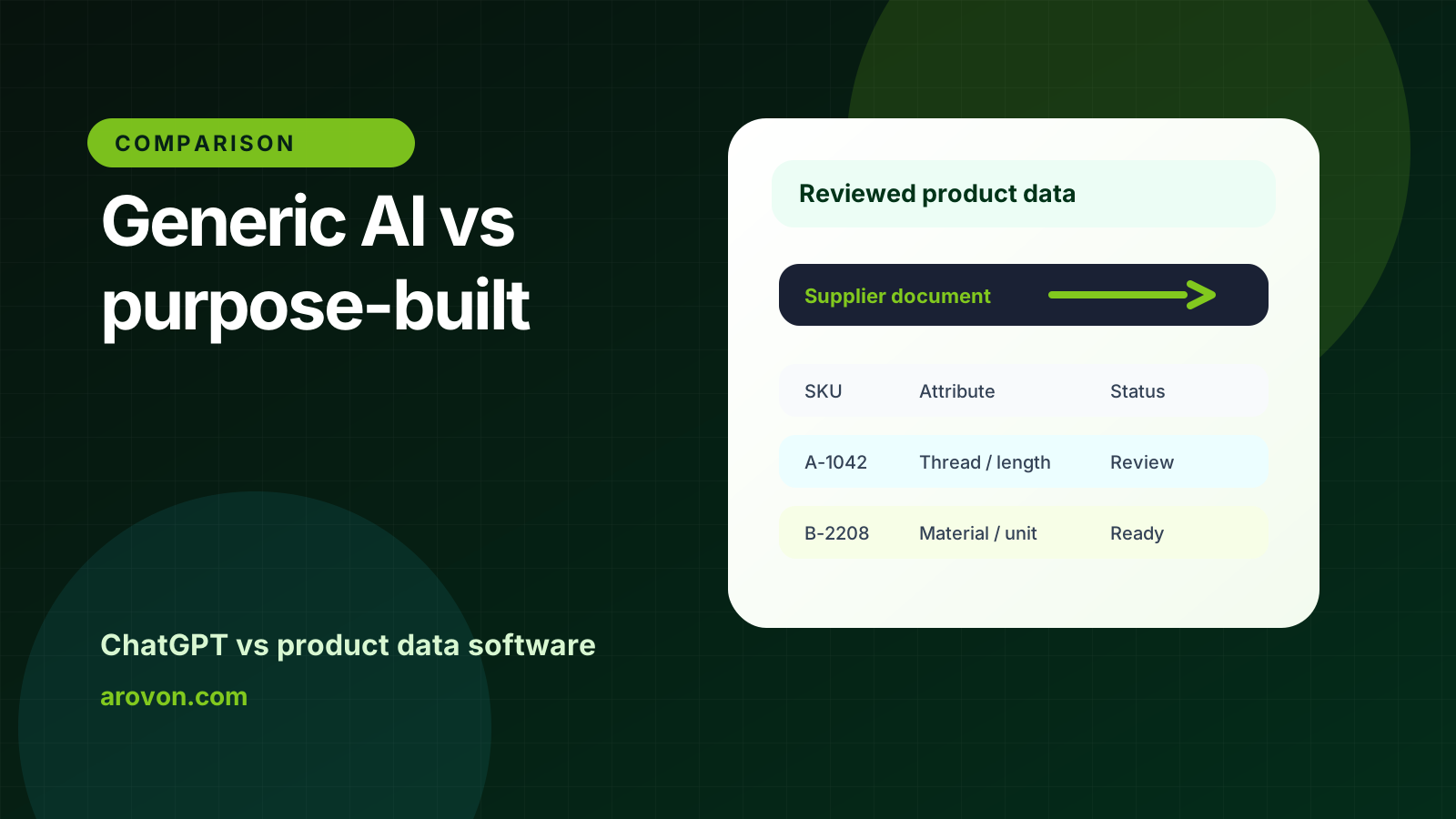
A practical comparison of generic AI tools and purpose-built product data software for industrial distributors working with supplier PDFs and catalogs.
Skim this first
Use this article as a practical lens for generic ai tools vs purpose-built product data software for industrial catalogs.
Look for the exact place where supplier data stops being useful to buyers.
The goal is cleaner decisions, not just more catalog text.
Best next move
Start with one supplier file or product family.
Define which fields must become searchable, comparable, or reviewable.
Export only rows that are clear enough for the receiving system.
For industrial distributors, the practical question is not whether software can read a document once. The question is whether the team can repeat the workflow across suppliers, keep technical values traceable, and export rows that are safe to use.
This guide focuses on ChatGPT vs product data software from an operations point of view: what to standardize, what to review, and where automation should support people rather than hide uncertainty.
Quick facts
Generic AI: Flexible for drafting and exploration, but weak on workflow control.
Purpose-built: Schemas, review, source links, exports, and repeatable catalog operations.
Decision point: Use the right tool when data must be trusted and imported.
Good catalog work turns supplier material into buyer confidence, one reviewed field at a time.
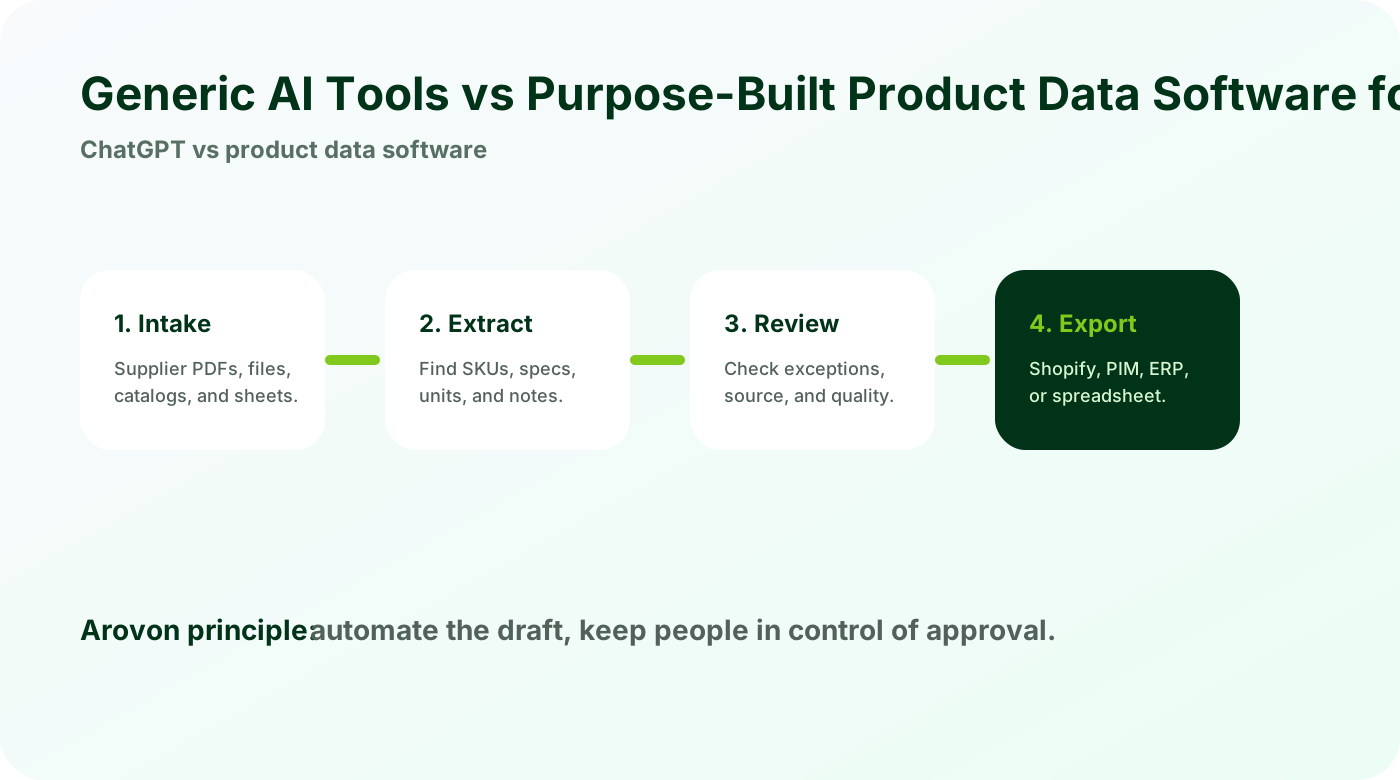
Generic AI is useful but not a catalog workflow
Chat tools can help explain text or draft descriptions, but they do not automatically create a controlled review and export process.
Prompts are hard to standardize across staff.
Source tracking is often weak or manual.
Exports and schemas need extra handling.
That may be fine for a few products. It becomes risky when the team needs repeatable product data at scale.
Purpose-built software adds structure
Product data software is designed around documents, schemas, rows, review, and export destinations.
Category-specific required fields.
Source page references and confidence signals.
Review queues and Shopify-ready exports.
The value is not only the AI model. The value is the operational wrapper around extraction.
How to choose between them
Use generic AI for exploration, rewriting, and one-off help. Use purpose-built software when the output becomes operational product data.
Ask whether the data will be imported into ecommerce, PIM, or ERP.
Ask whether reviewers need source links.
Ask whether the workflow must repeat across suppliers.
If the answer is yes, a controlled product data workflow is usually safer than a collection of prompts.
Checklist
Use generic AI for brainstorming, not uncontrolled imports.
Require source links for technical values.
Define schemas before extraction.
Review rows before publishing.
Choose tools based on workflow risk, not novelty.
Watch for
Unclear units or names that make products hard to compare.
Review work hidden in spreadsheets, emails, or repeated manual checks.
Fields that should power filters but remain trapped in prose.
Make it repeatable
Keep source evidence visible for every important value.
Separate clean rows from rows that need expert review.
Use the first pass as a repeatable template, not a one-off cleanup.
Move from prompts to a repeatable workflow
Arovon gives catalog teams extraction, schemas, review, and export paths built for distributor product data.