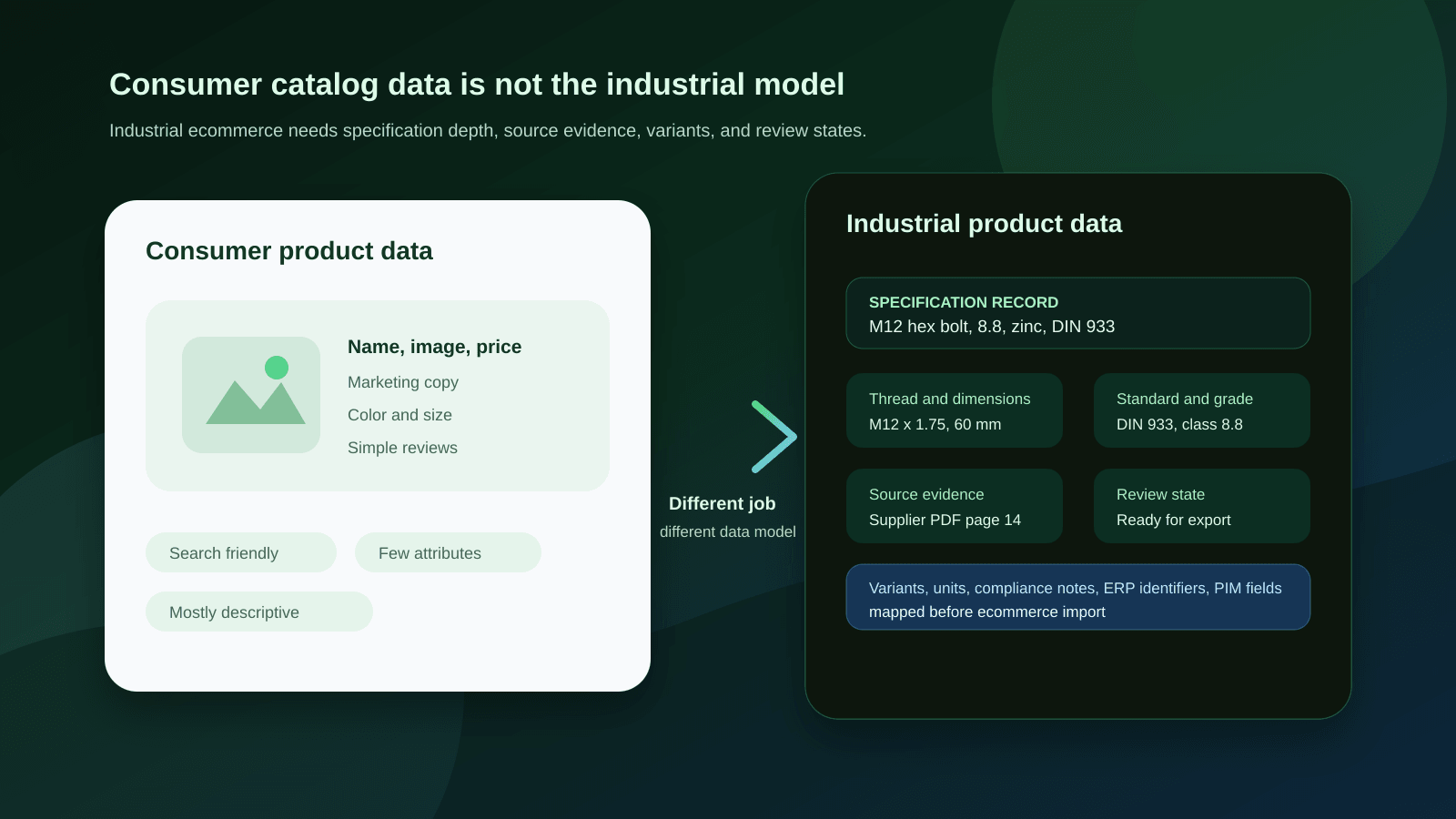
How to Create a Product Attribute Model for Bearings
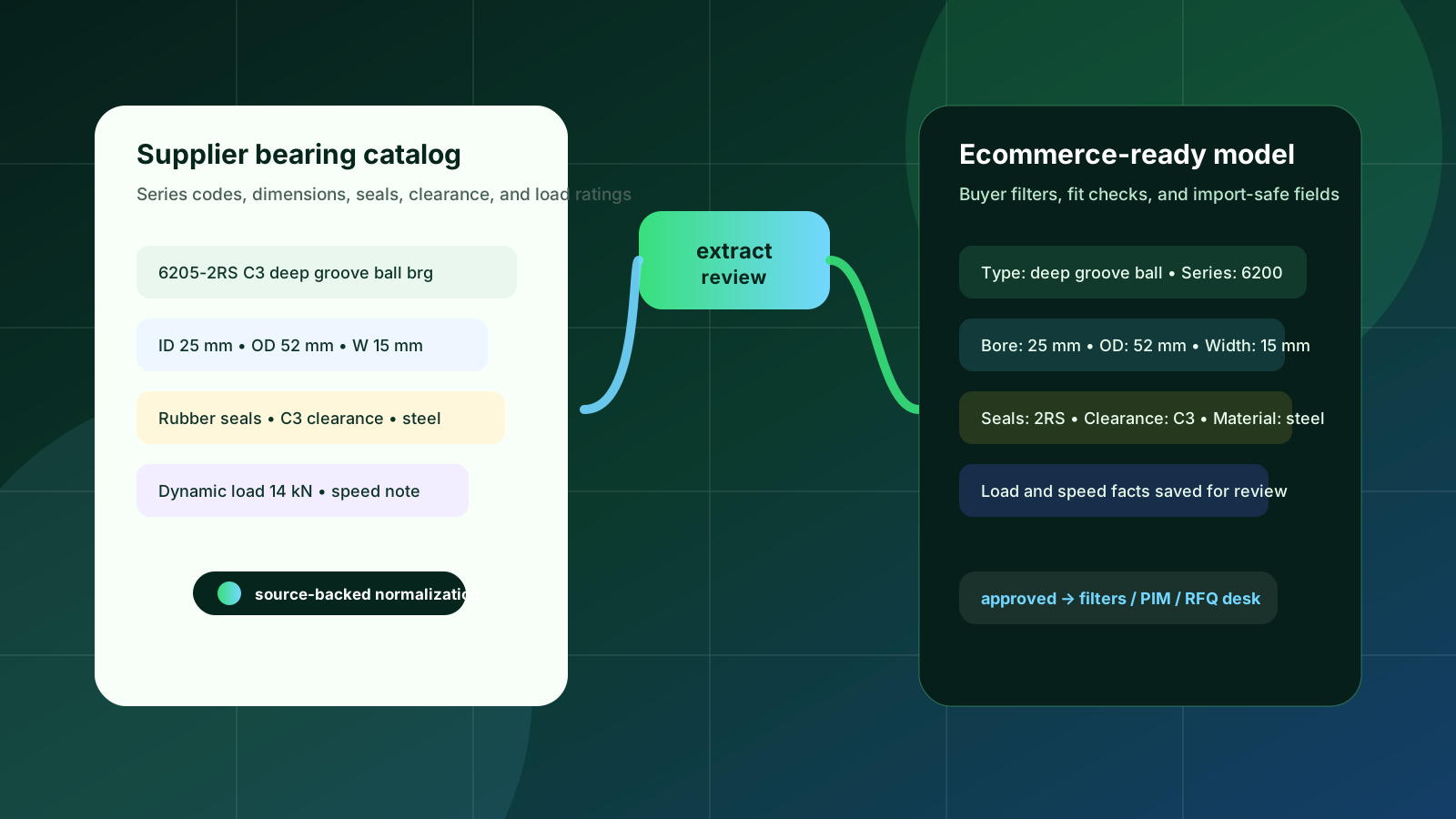
A practical guide for industrial distributors on modeling bearing attributes so buyers can search, compare, and trust ecommerce product data.
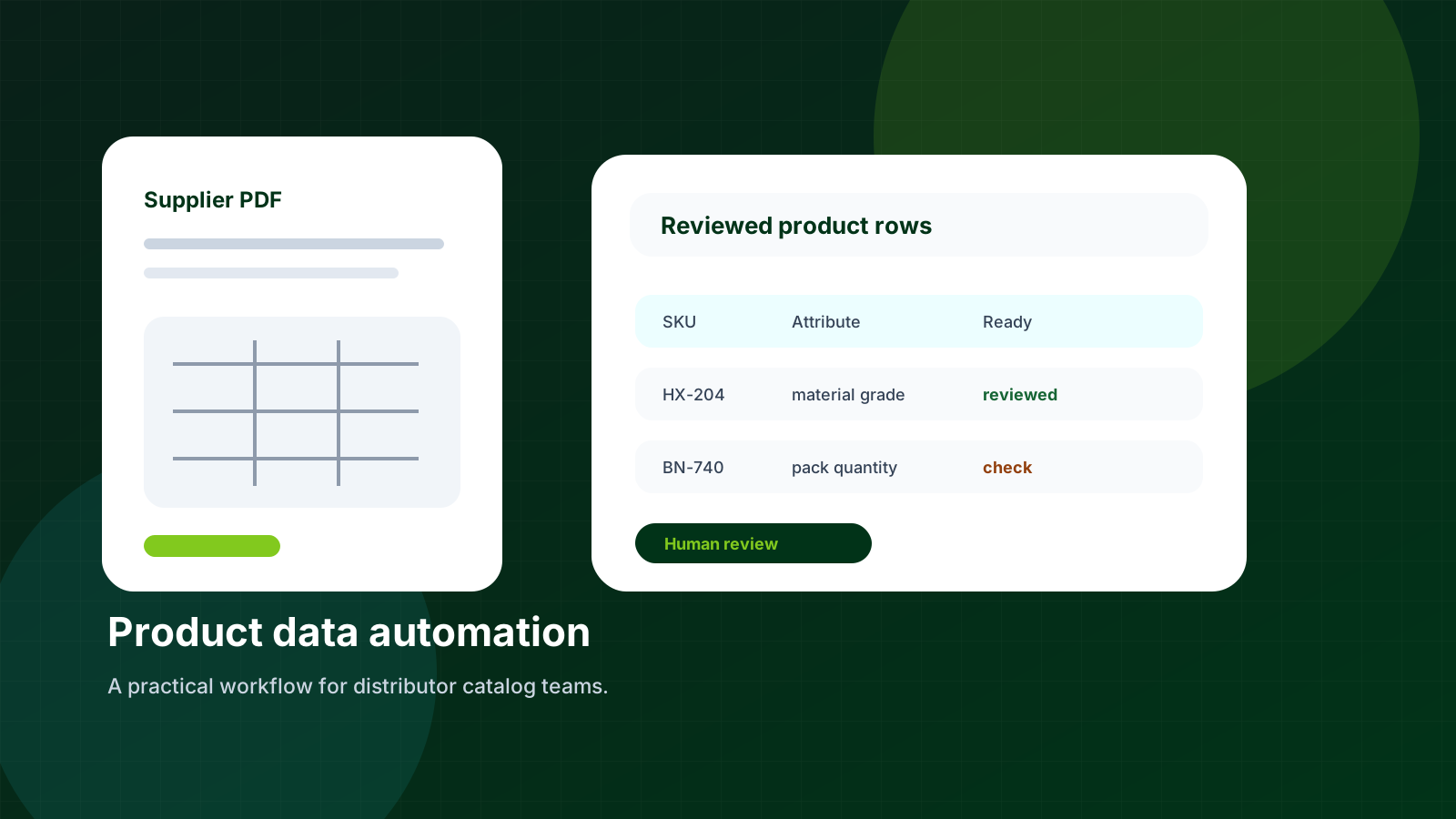
Resource center
Field-tested notes on supplier PDFs, catalog extraction, review workflows, Shopify imports, and product data operations for industrial distributors.
Editorial focus
A practical guide for industrial distributors on modeling bearing attributes so buyers can search, compare, and trust ecommerce product data.
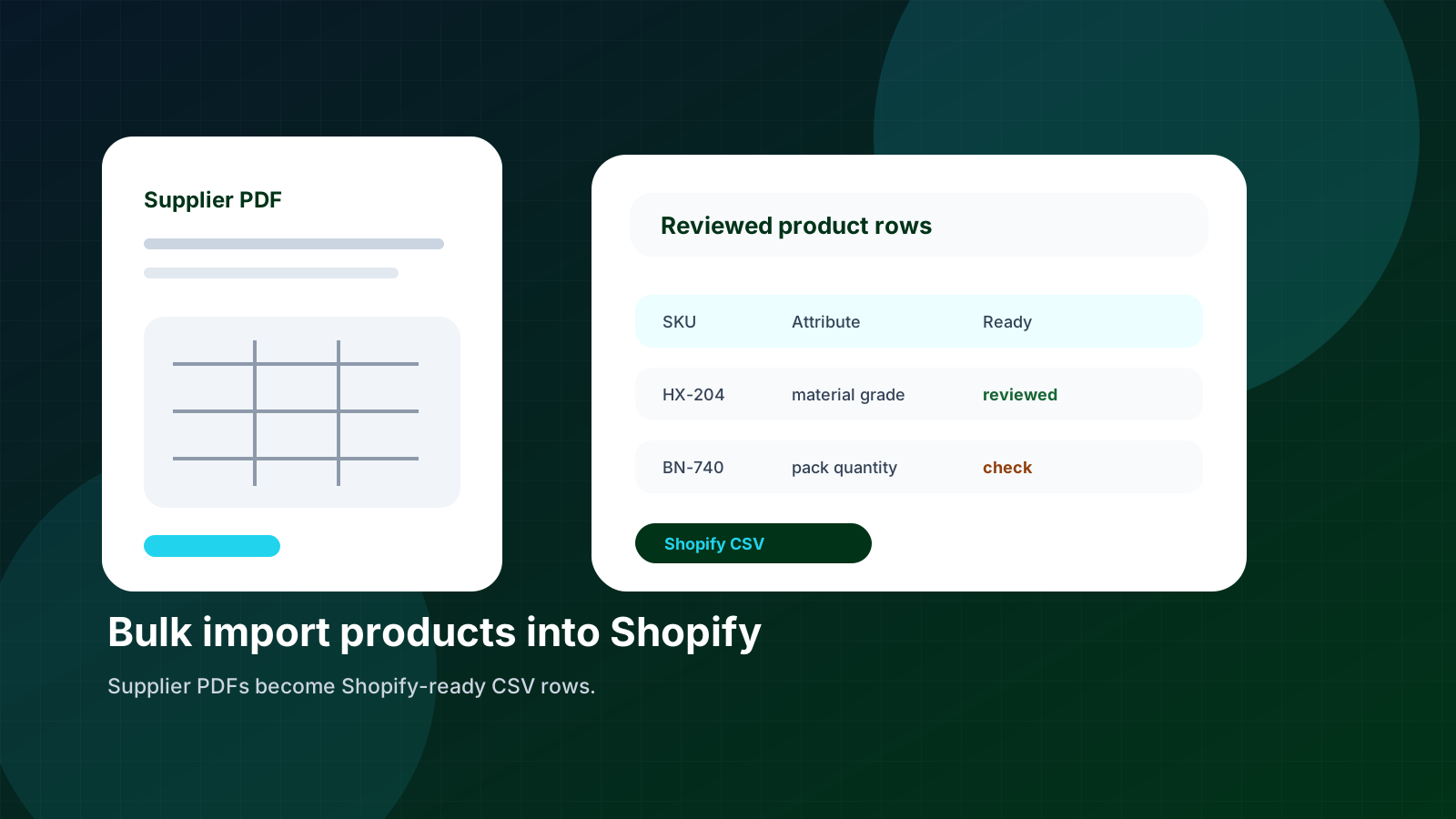
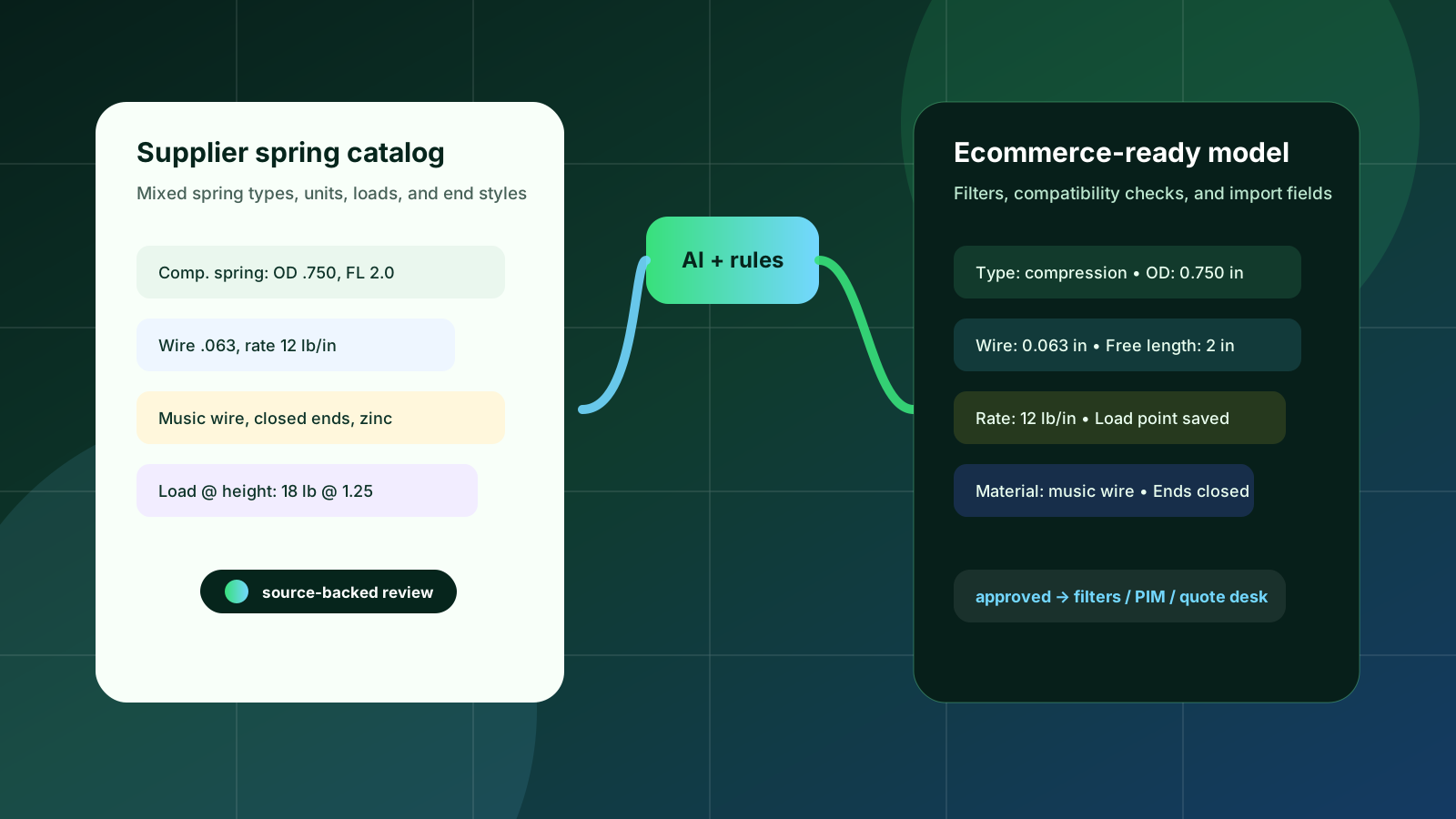
A practical spring catalog data model for distributors: which dimensions, load facts, materials, end styles, and commerce fields should become searchable ecommerce attributes.
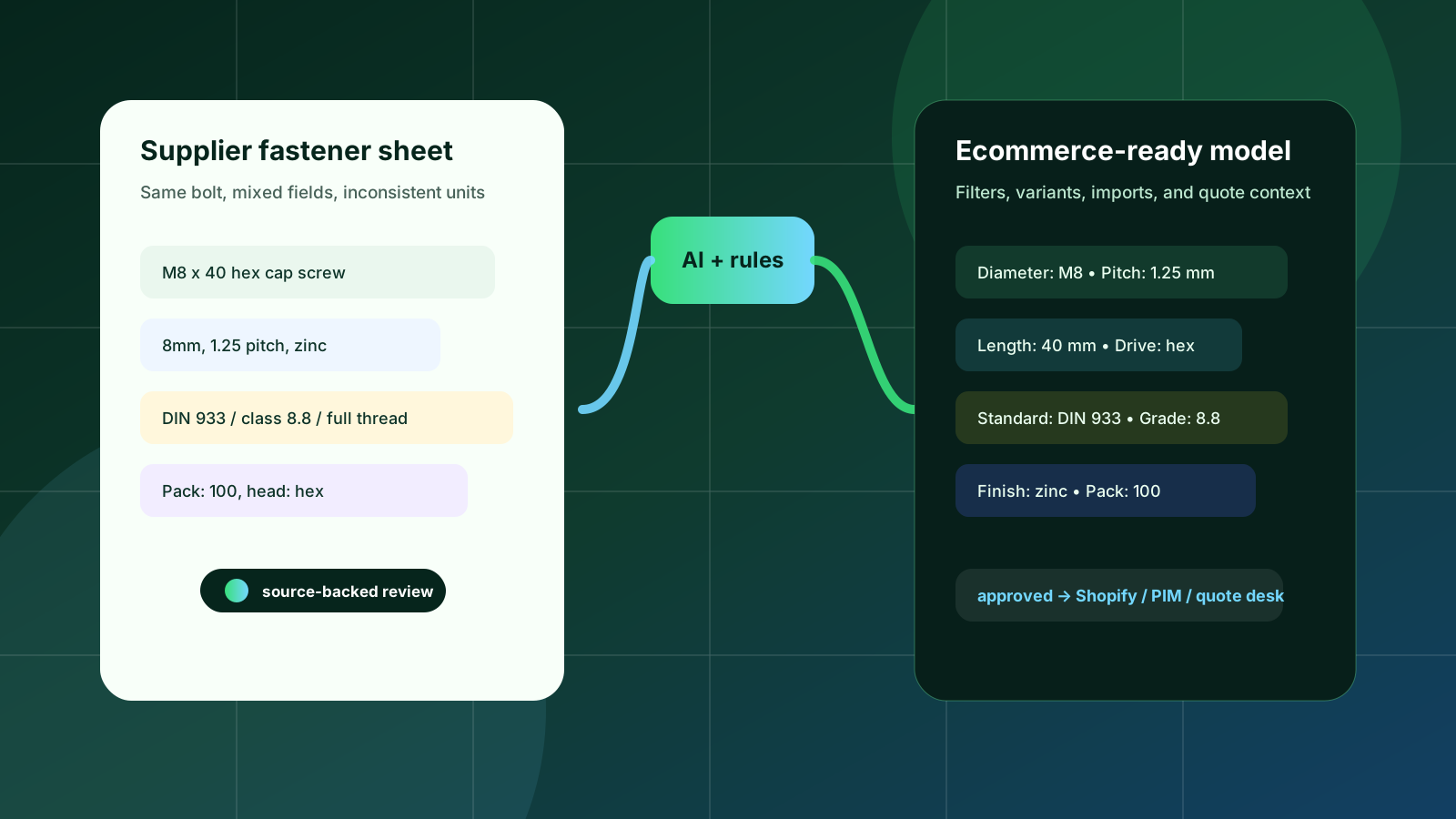
A practical guide to modeling fastener attributes so bolts, screws, nuts, washers, and anchors become searchable, comparable, and ecommerce-ready.
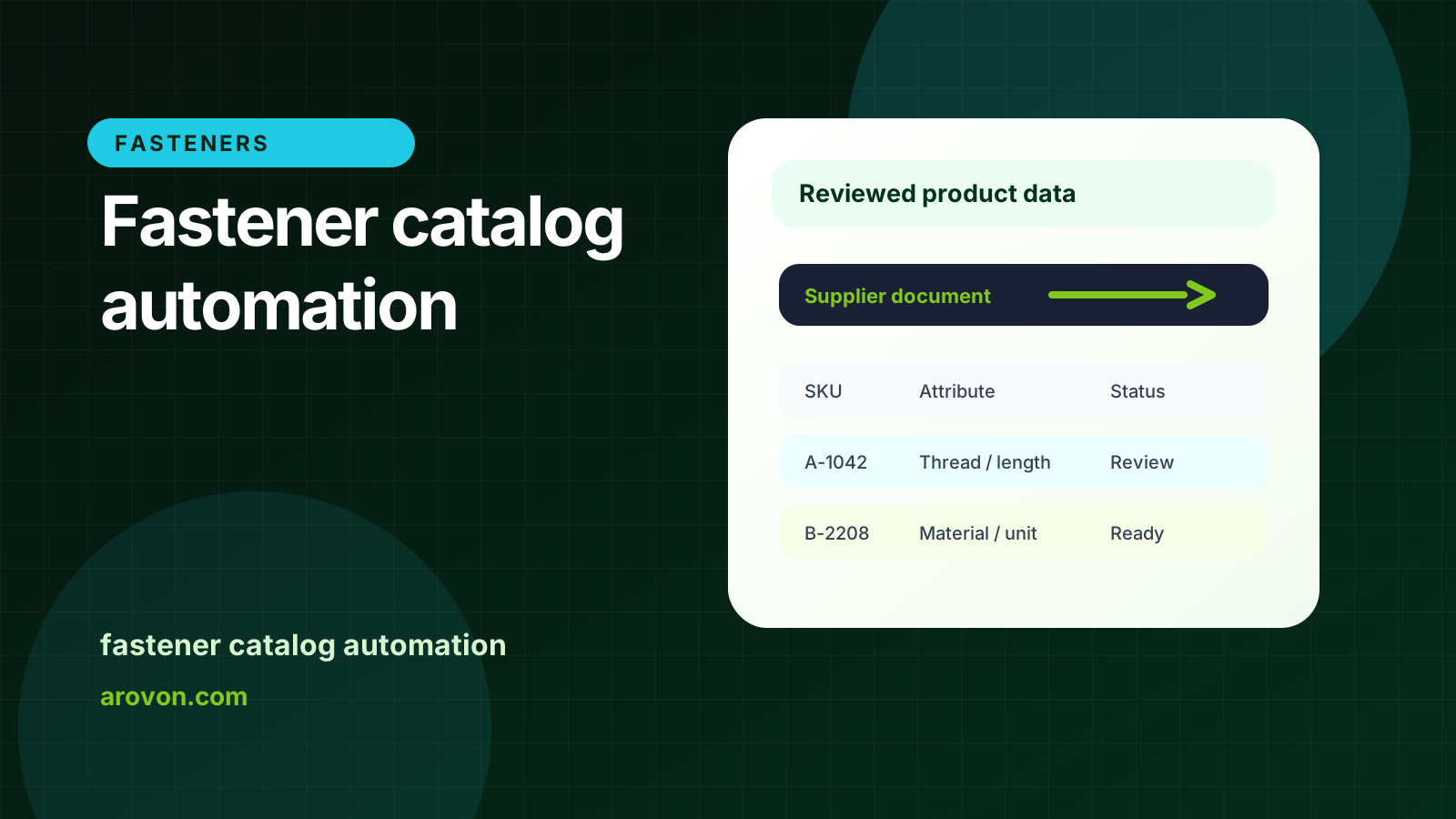
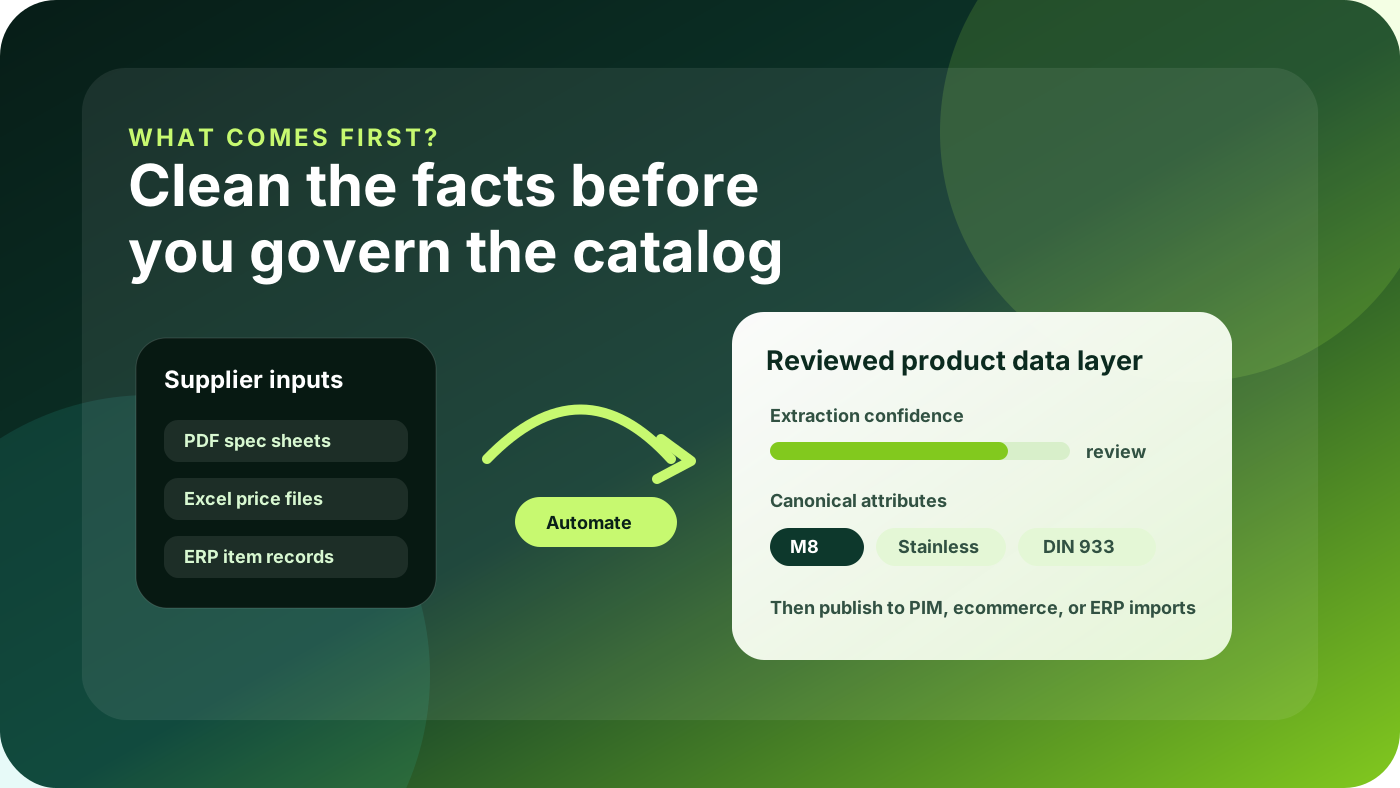
A PIM can govern trusted product records, but it is not the same thing as cleaning messy supplier PDFs, spreadsheets, and ERP item data. Here is how distributors should sequence product data automation and PIM work.
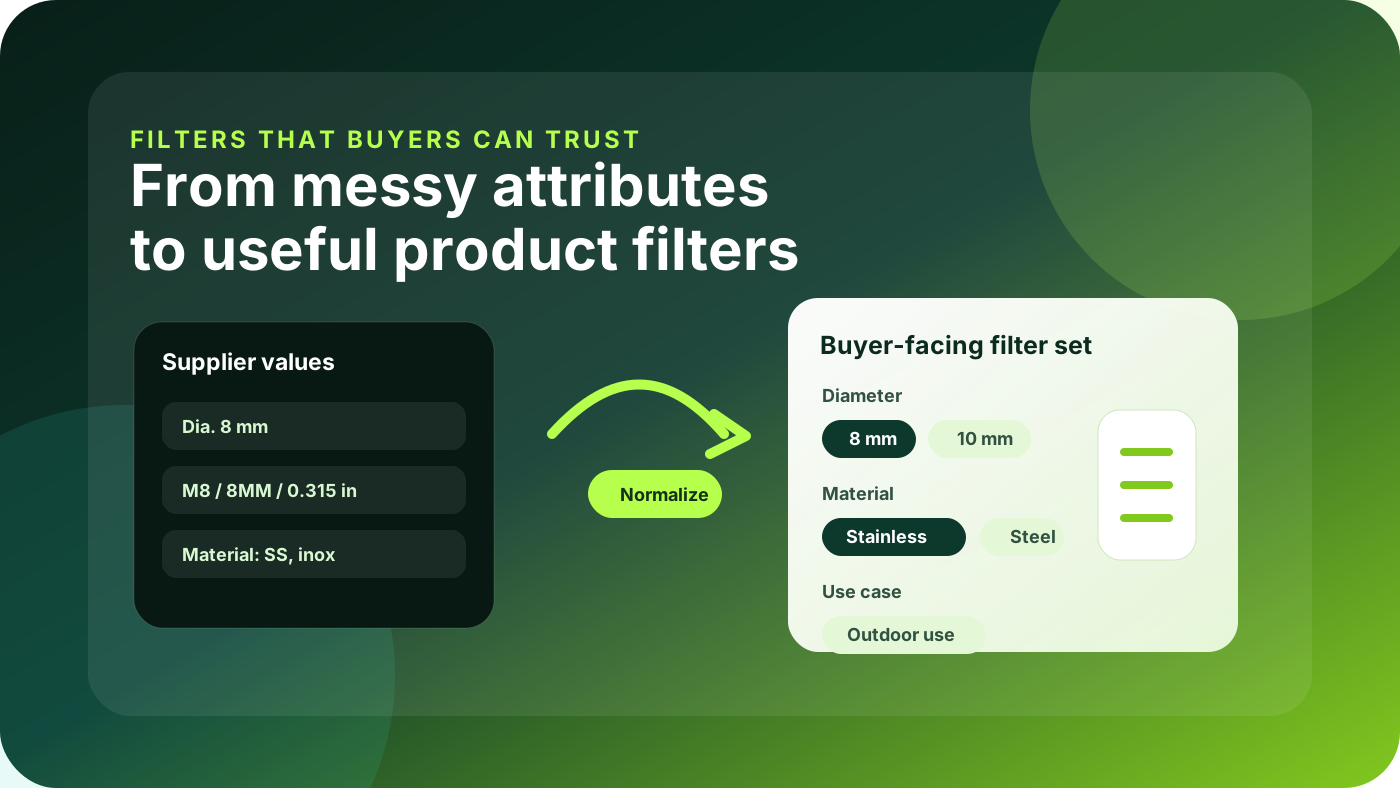
Technical ecommerce filters only work when product attributes are normalized, buyer-focused, and reviewed before they reach the storefront. Here is a practical distributor workflow.
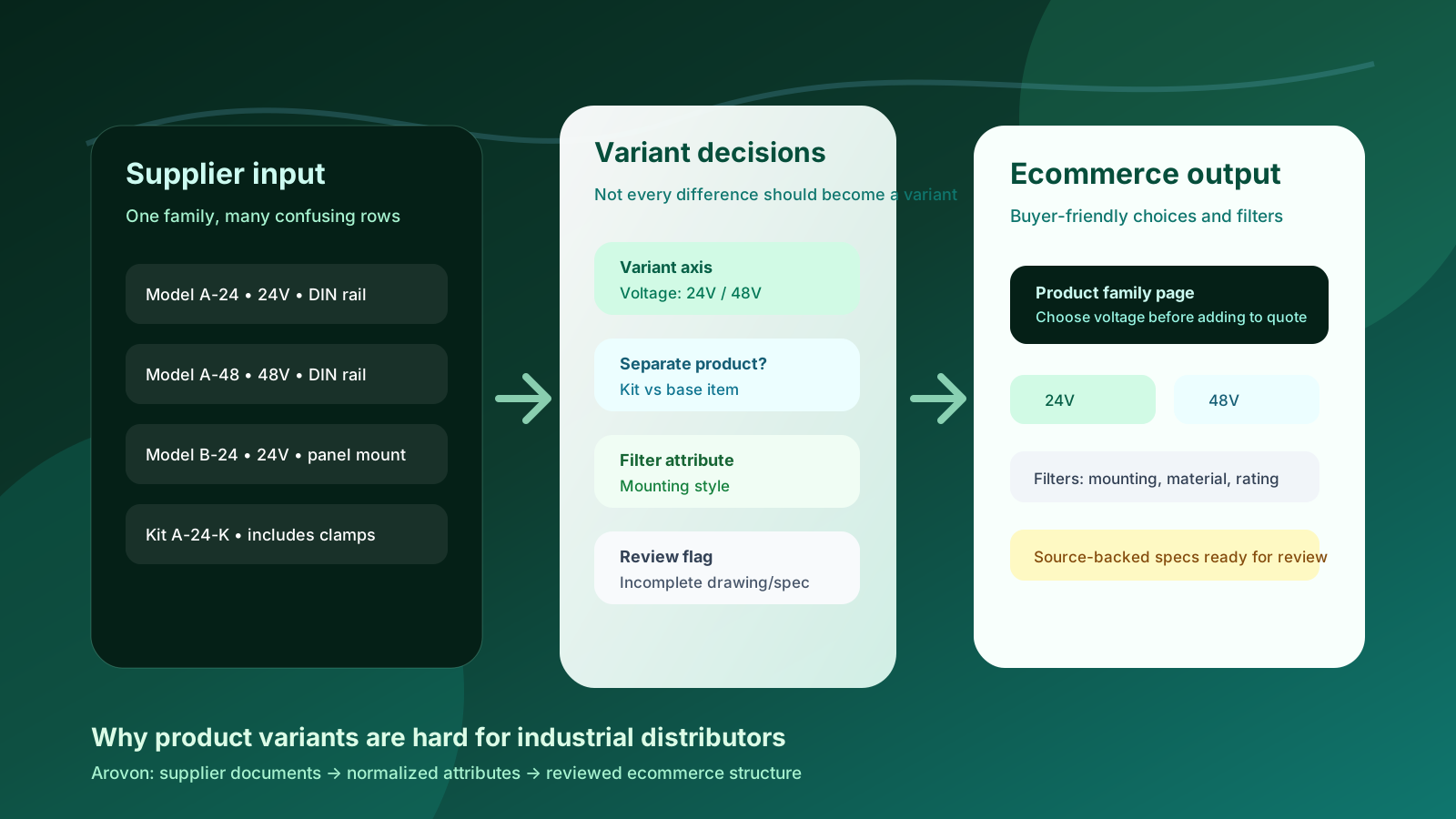
Industrial variants are difficult because supplier rows, buyer choices, ERP rules, and ecommerce filters do not map cleanly. Here is a practical decision model for distributors.
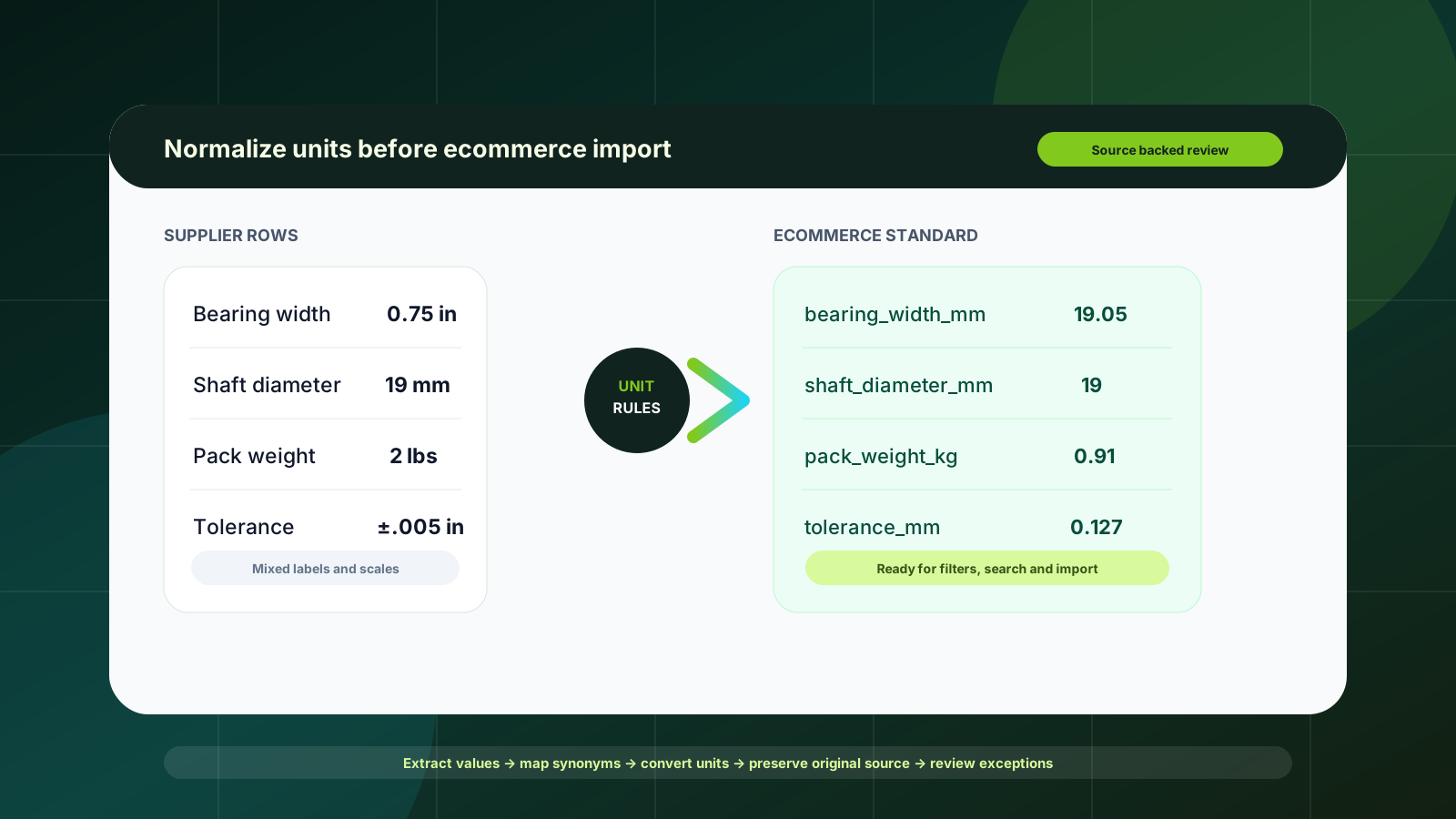
Mixed inches, millimeters, pounds, packs, cases, and shorthand unit labels quietly break industrial ecommerce. Here is a practical way to normalize supplier catalog units without losing the source evidence buyers and sales teams need.
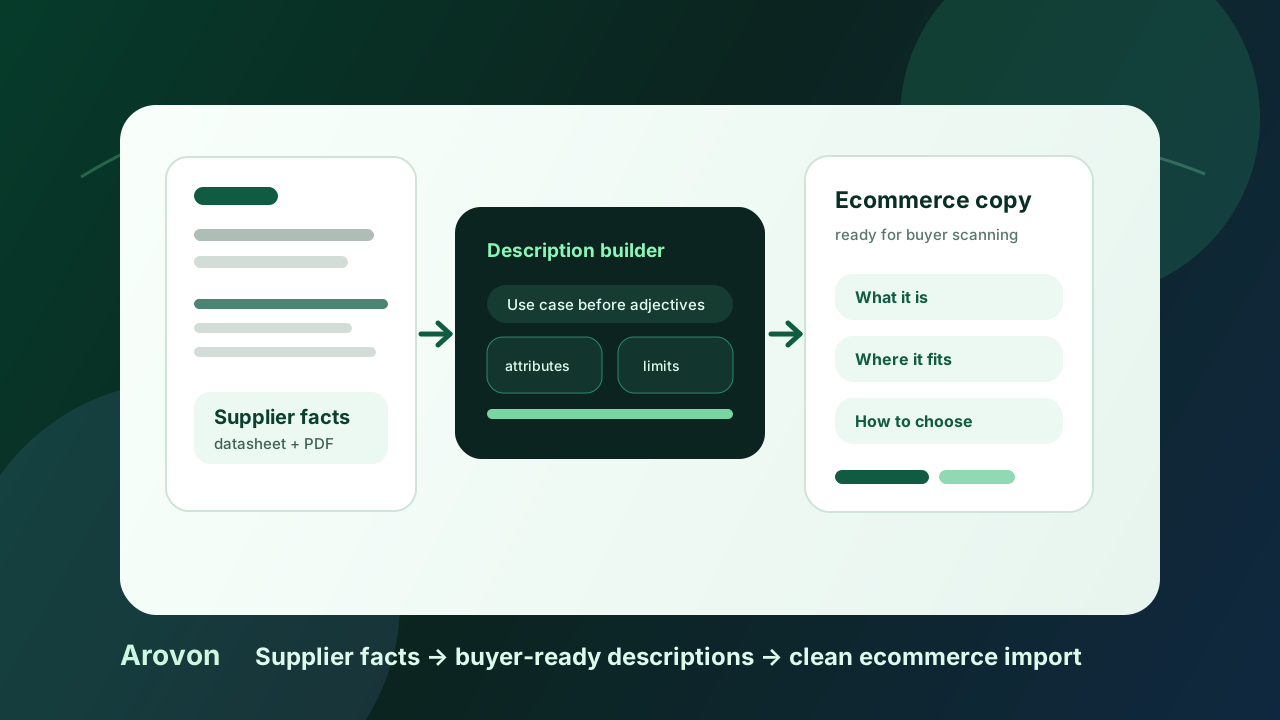
Industrial product descriptions should help buyers confirm fit, compare options, and trust the source—not just fill a field in Shopify, BigCommerce, Adobe Commerce, or a PIM.
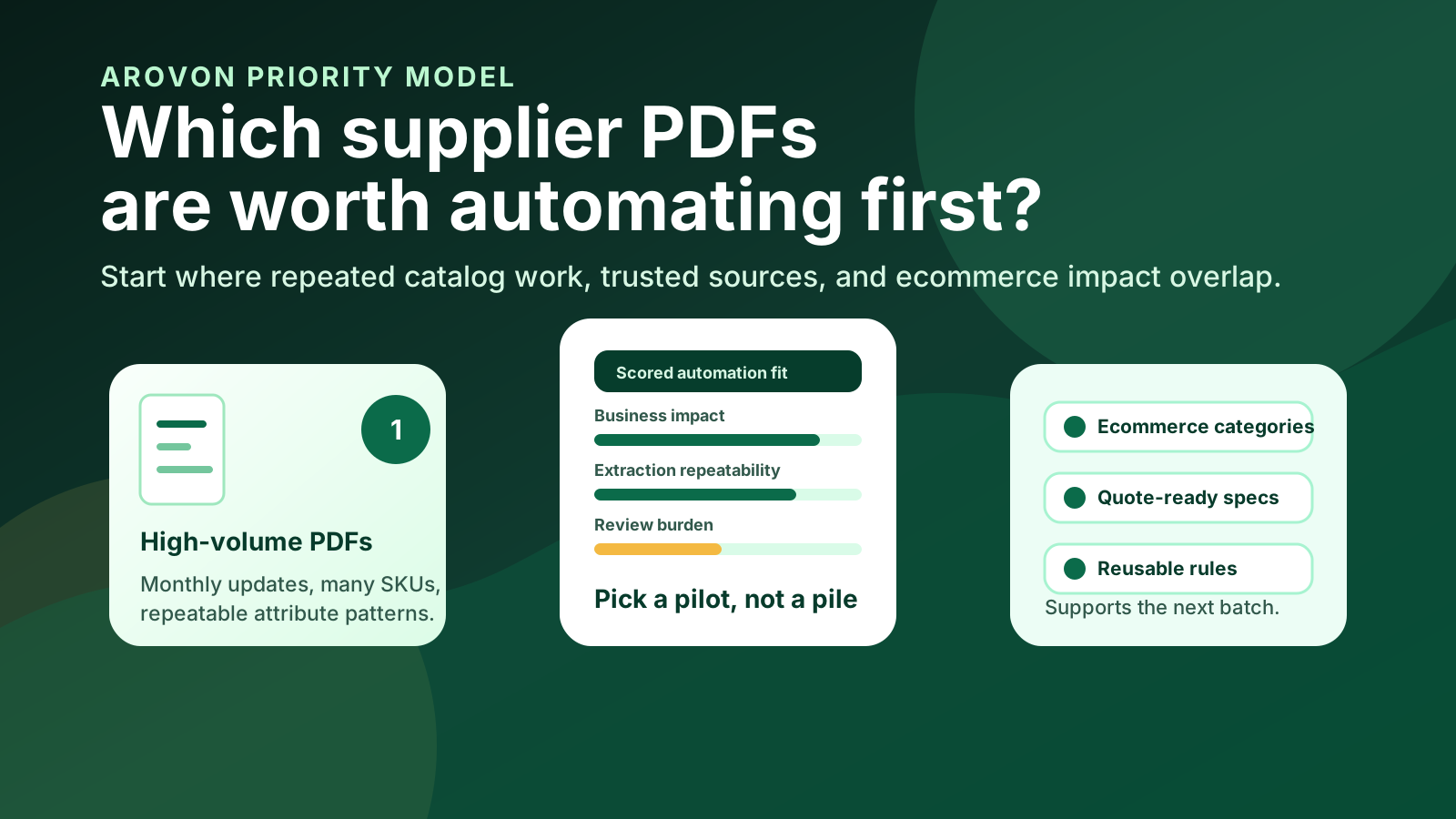
A practical scoring model for choosing the first supplier PDFs to automate, so distributors prove value quickly instead of starting with the messiest catalog pile.
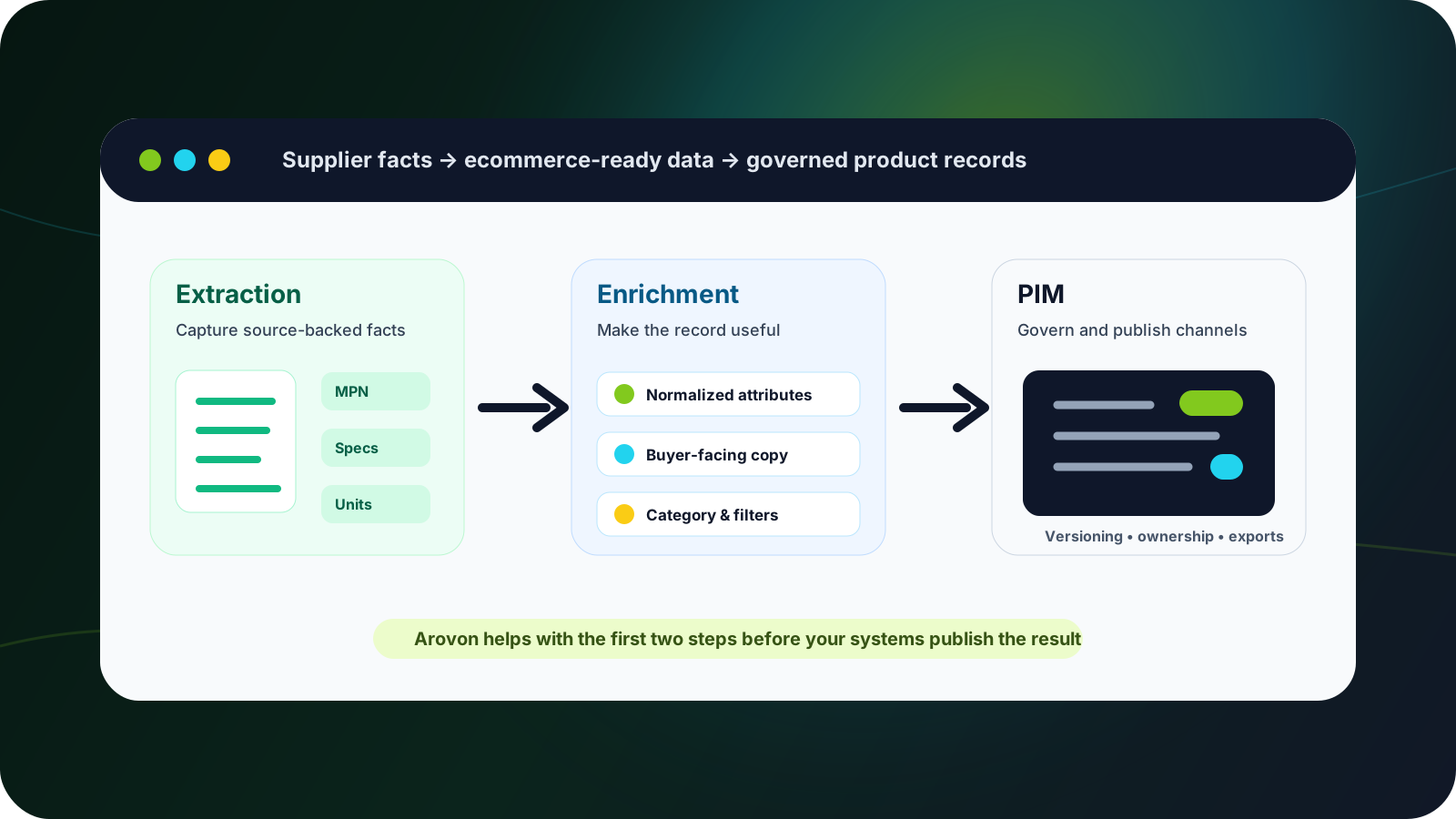
Extraction, enrichment, and PIM solve different product-data problems. Here is how distributors can separate the work and avoid buying the wrong tool for the job.
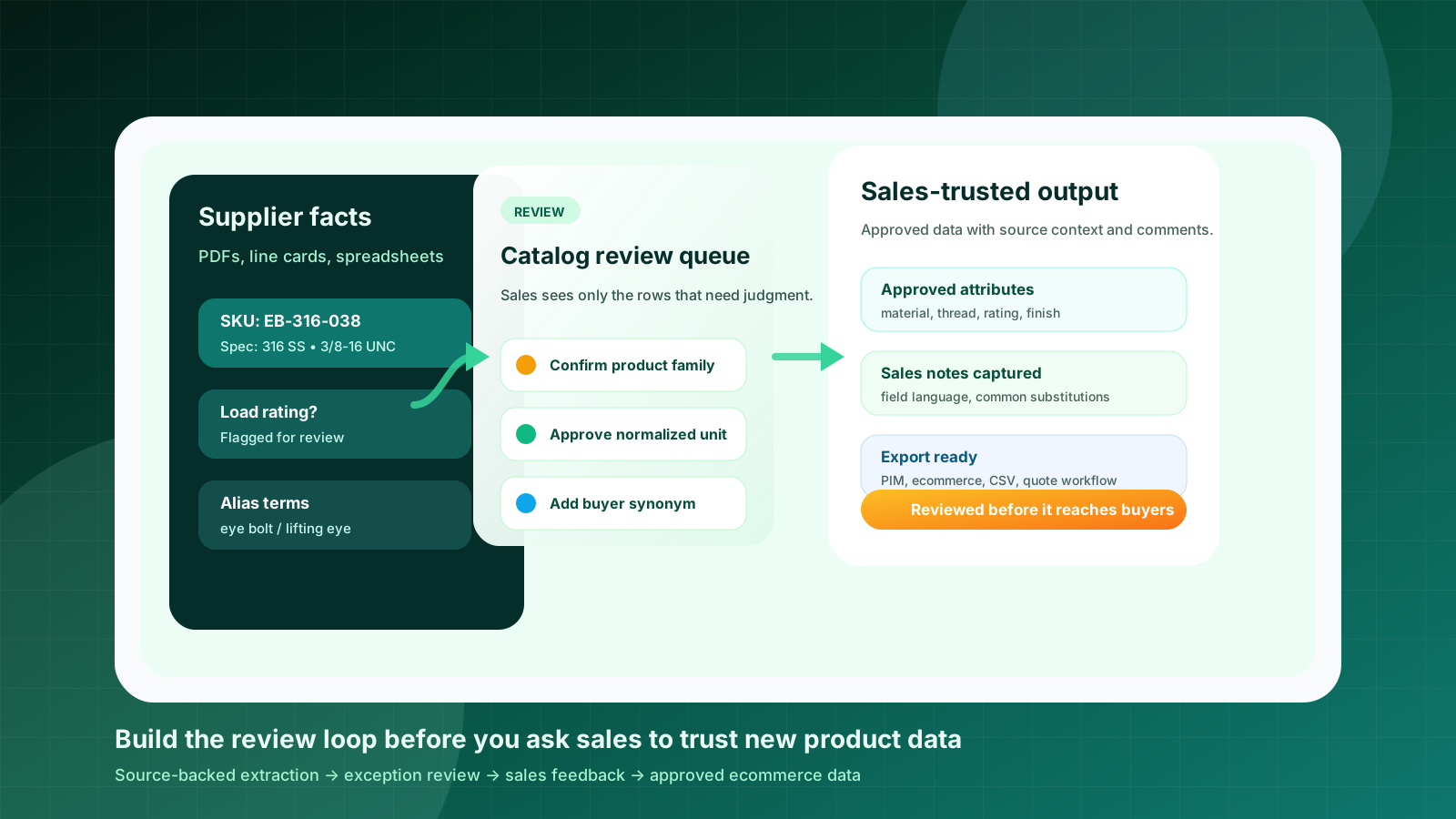
A practical guide for distributors that want sales teams to trust extracted and enriched product data before it reaches ecommerce, quoting, or customer self-service.

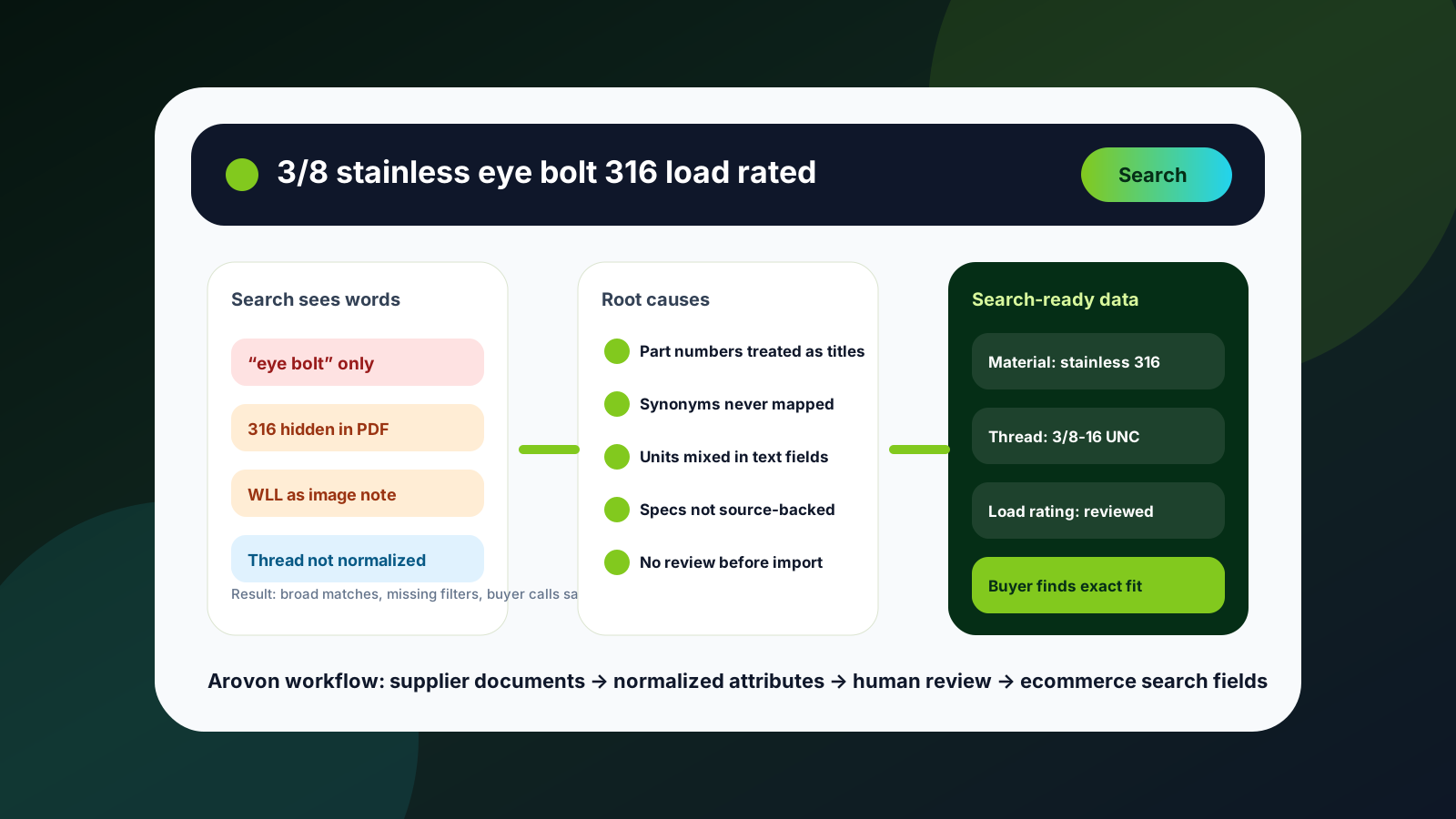
Industrial ecommerce search often fails because the catalog data was never structured for how technical buyers search. Here is how distributors can diagnose and fix the product-data layer behind search.
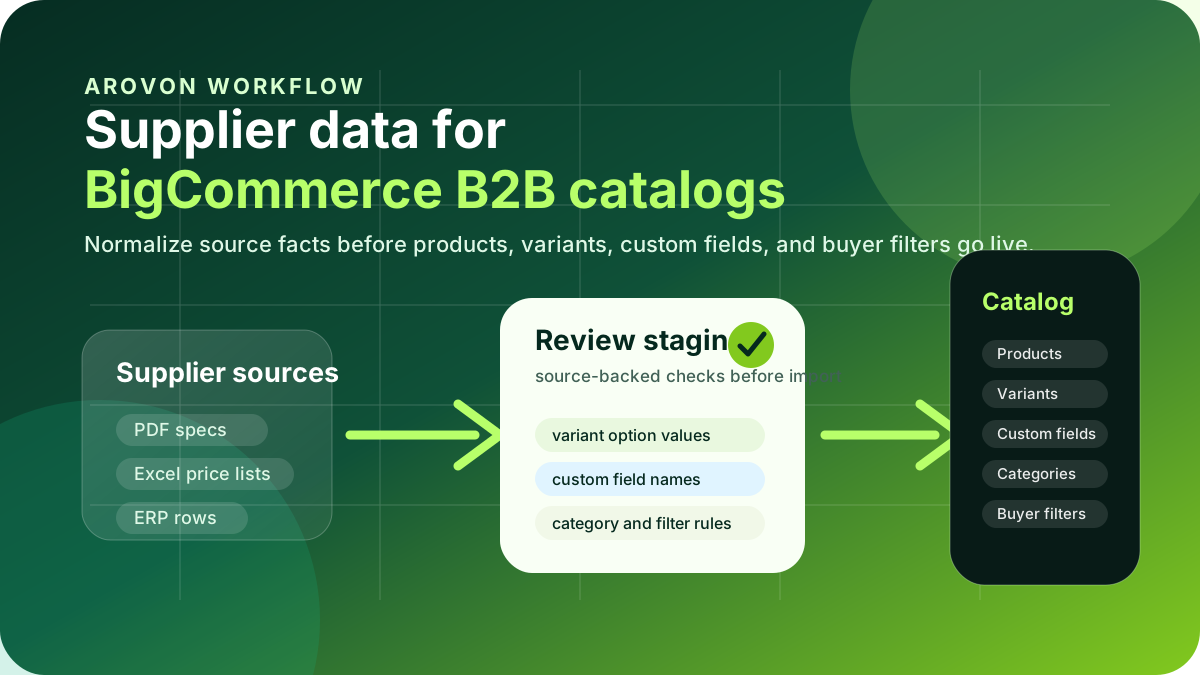
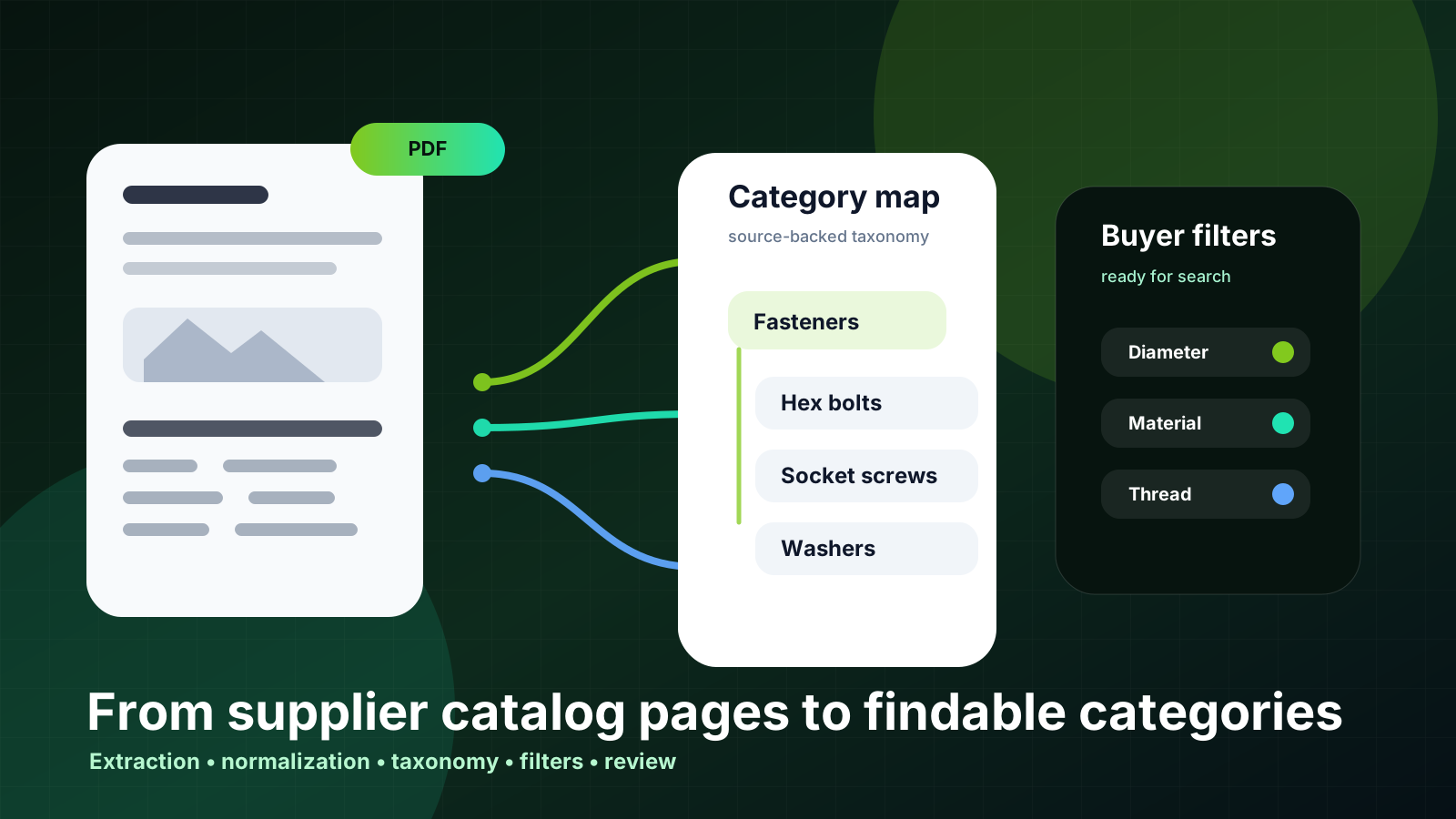
Supplier catalogs rarely map cleanly to the way B2B buyers search. Here is a practical workflow for turning PDFs and spreadsheets into ecommerce categories, filters, and review-ready product data.
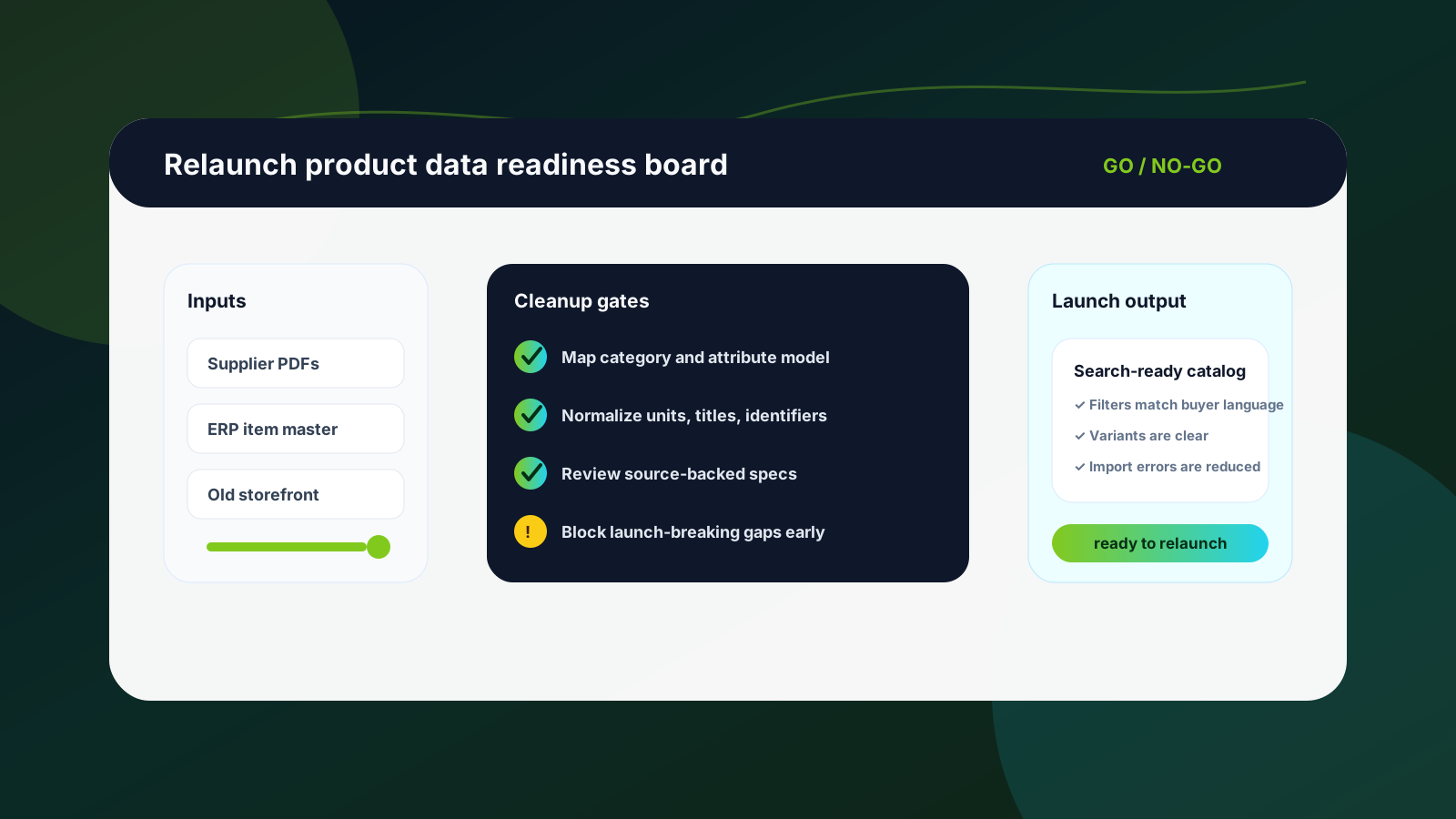
A practical checklist for industrial distributors that need clean, searchable, source-backed product data before a new ecommerce site goes live.
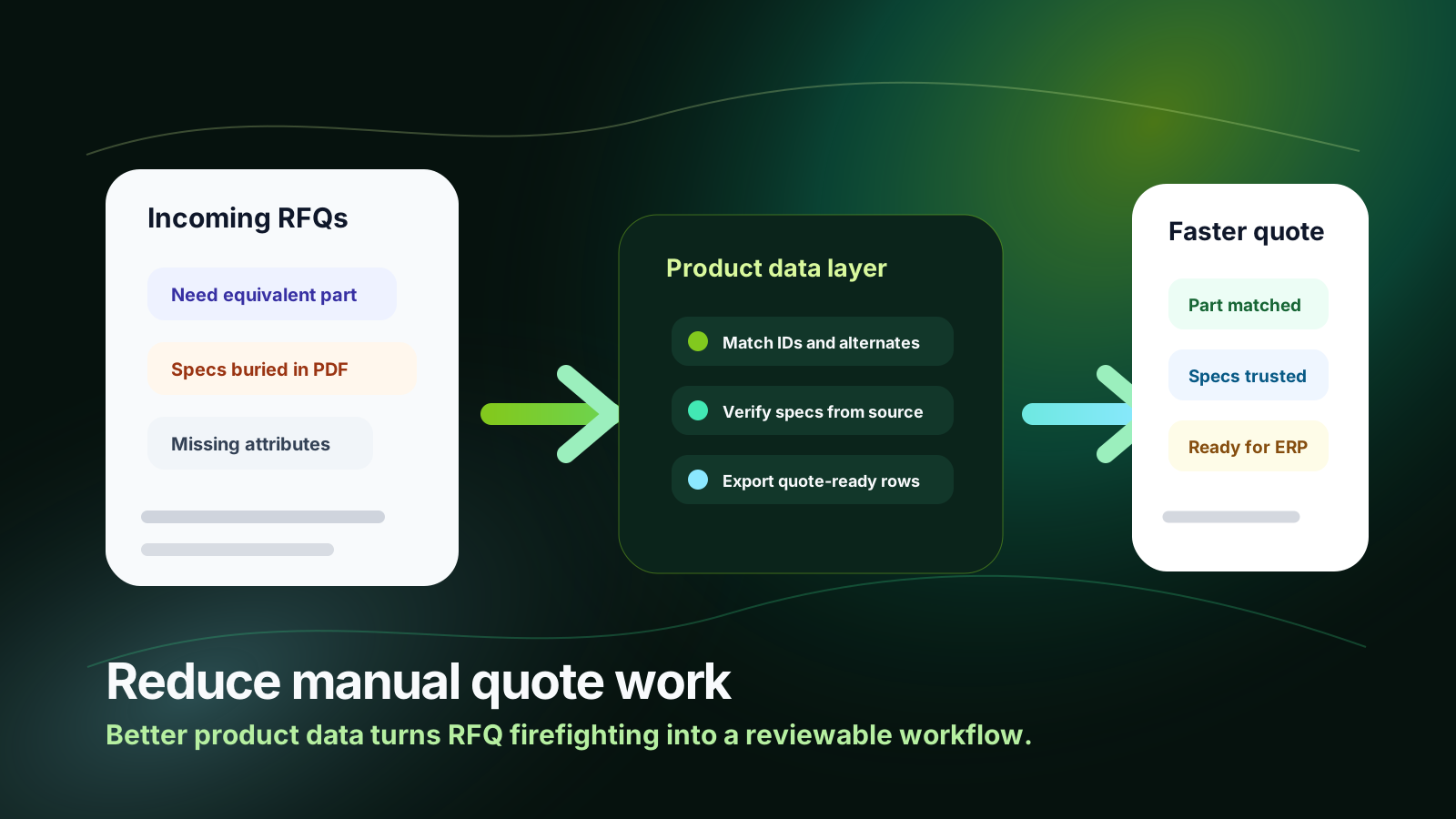
Manual quote work is not only a sales-process problem. For industrial distributors, it often starts with incomplete product data, supplier PDFs, inconsistent identifiers, and specs that are hard to reuse.
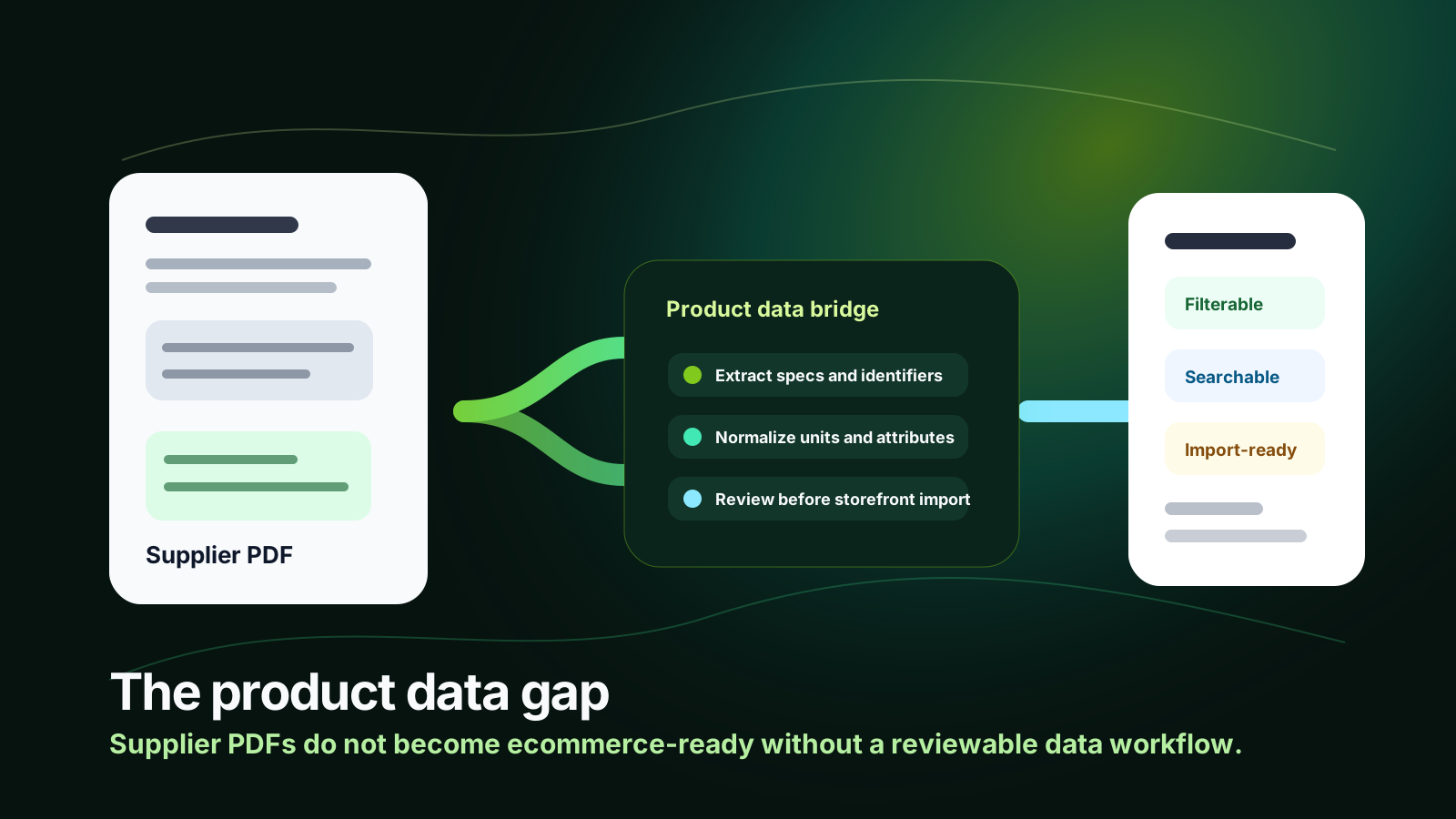
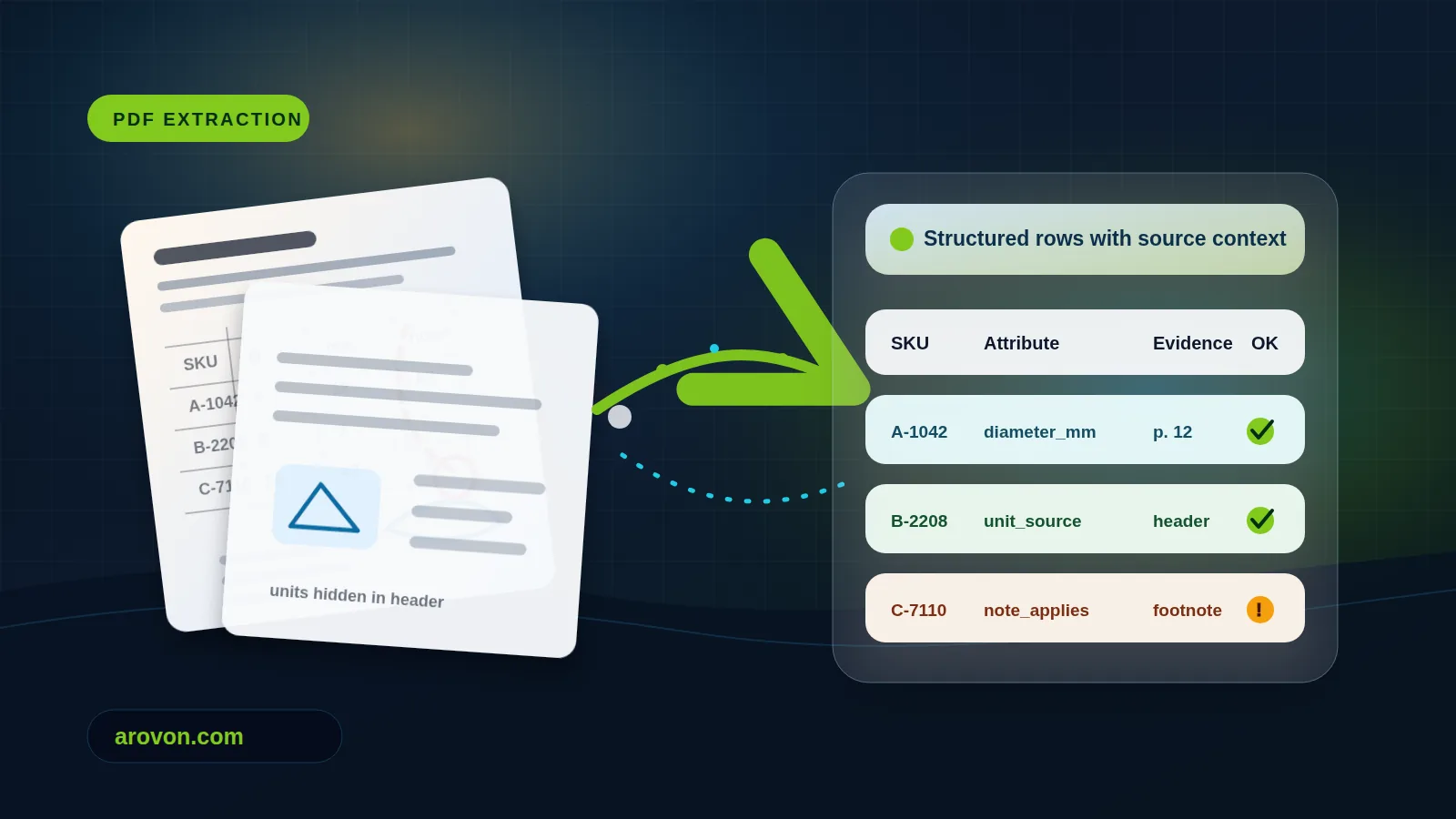
Supplier PDFs contain useful product facts, but they are not ecommerce-ready. Distributors need a reviewable bridge between source documents and storefront fields.
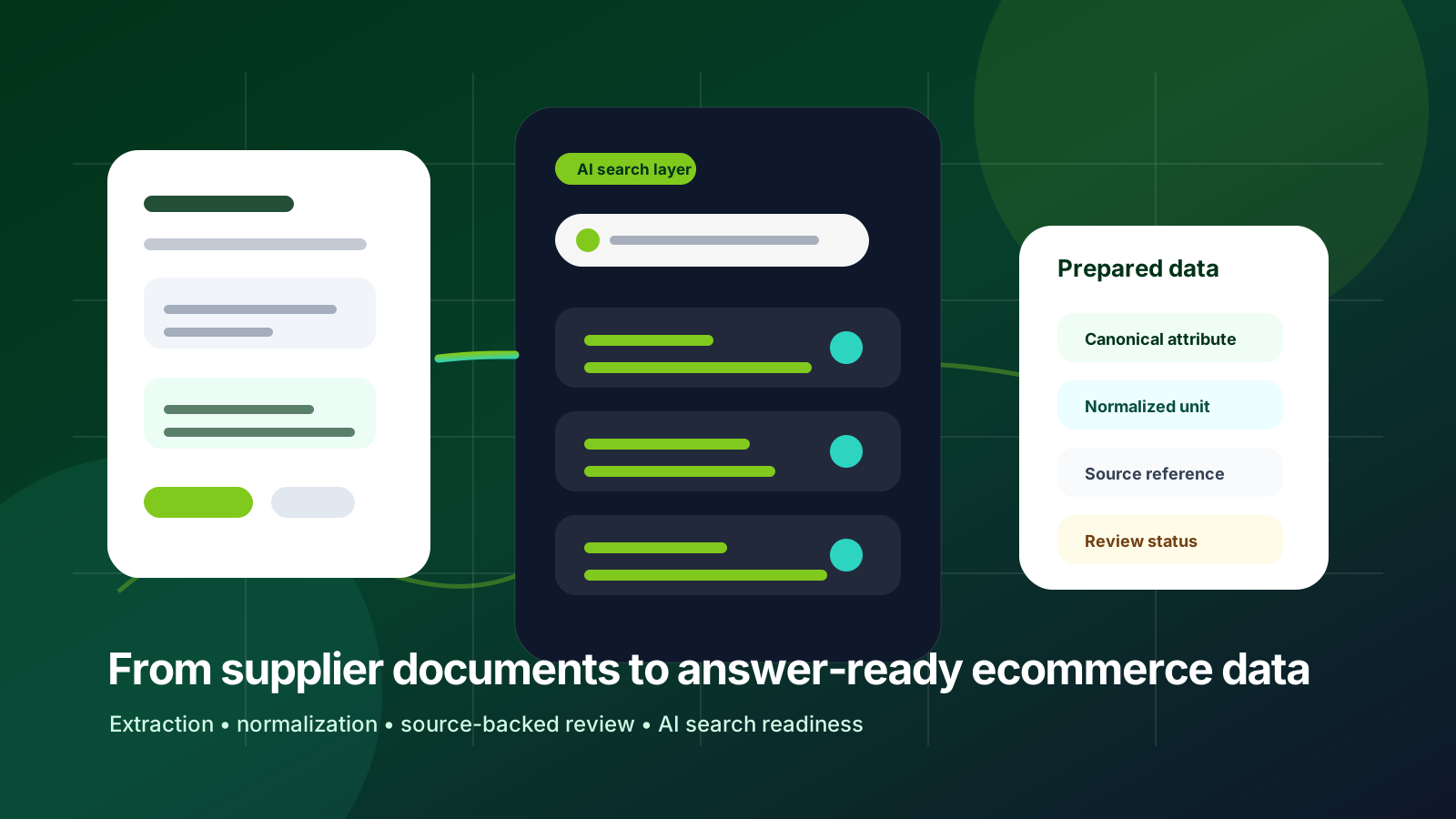
AI-powered ecommerce search only works when the underlying product data is structured, normalized, source-backed, and written in the language industrial buyers actually use.
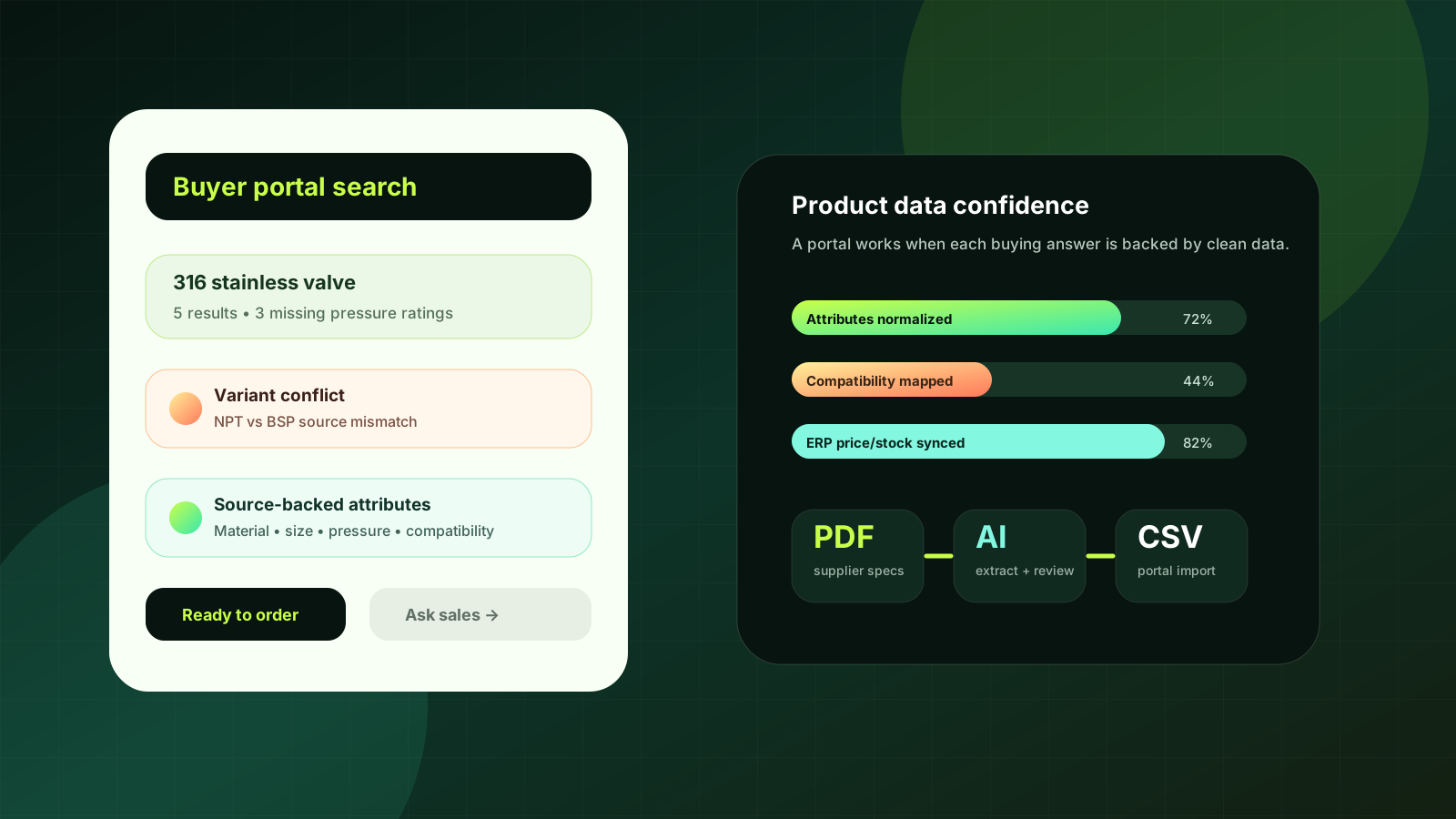
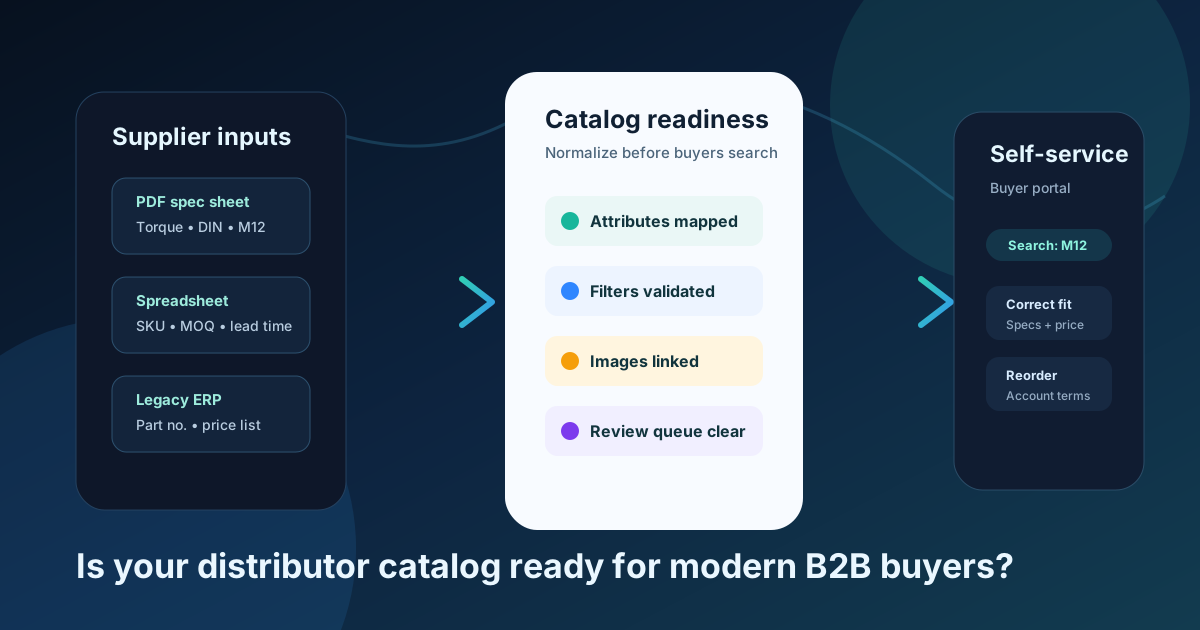
B2B self-service portals fail when buyers cannot find, compare, trust, or order products without calling sales. Here is how distributors can fix the product data layer first.
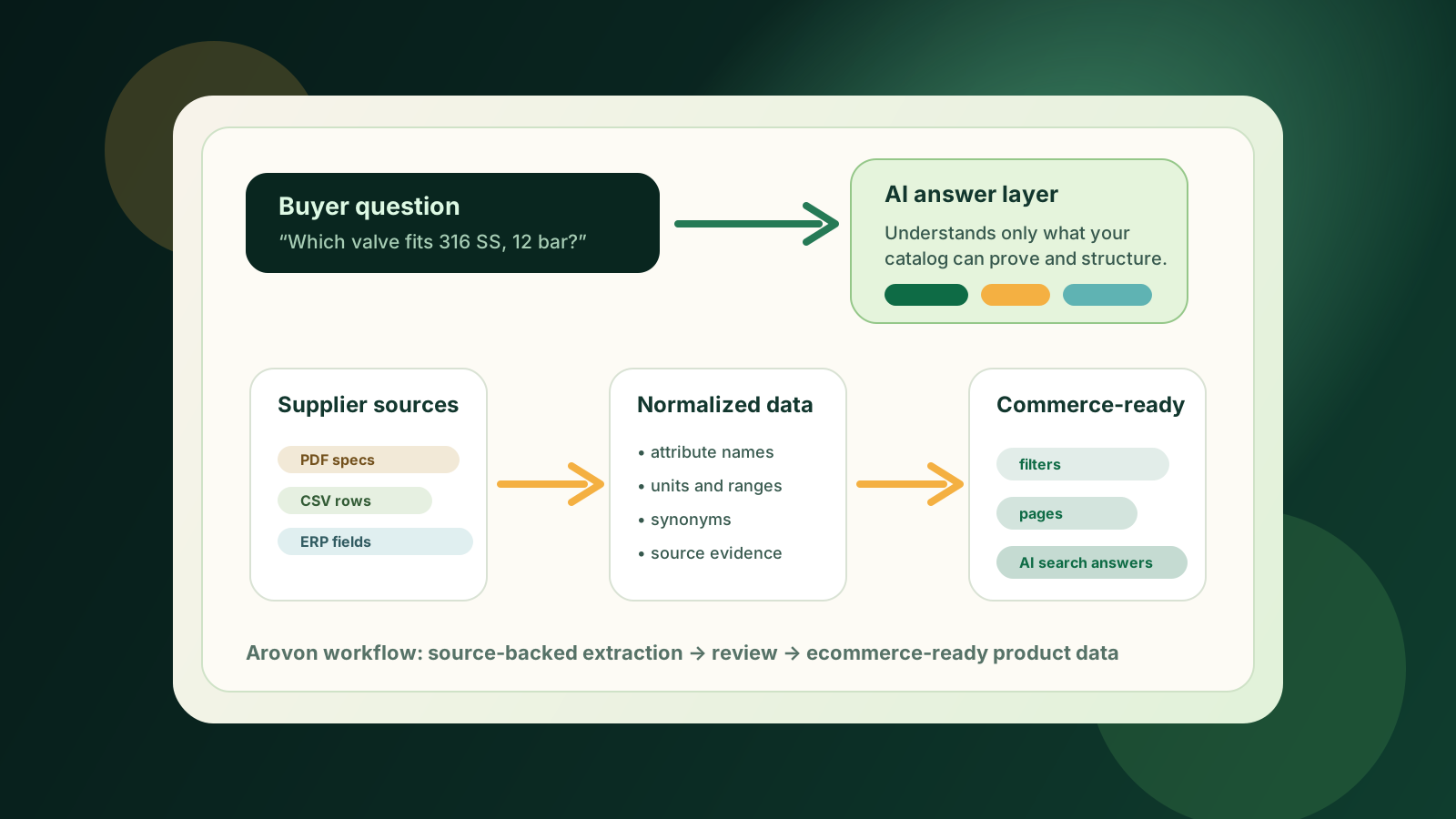
AI search will not magically understand messy distributor catalogs. Here is how to make product data structured, source-backed, and useful when buyers ask complex B2B questions.
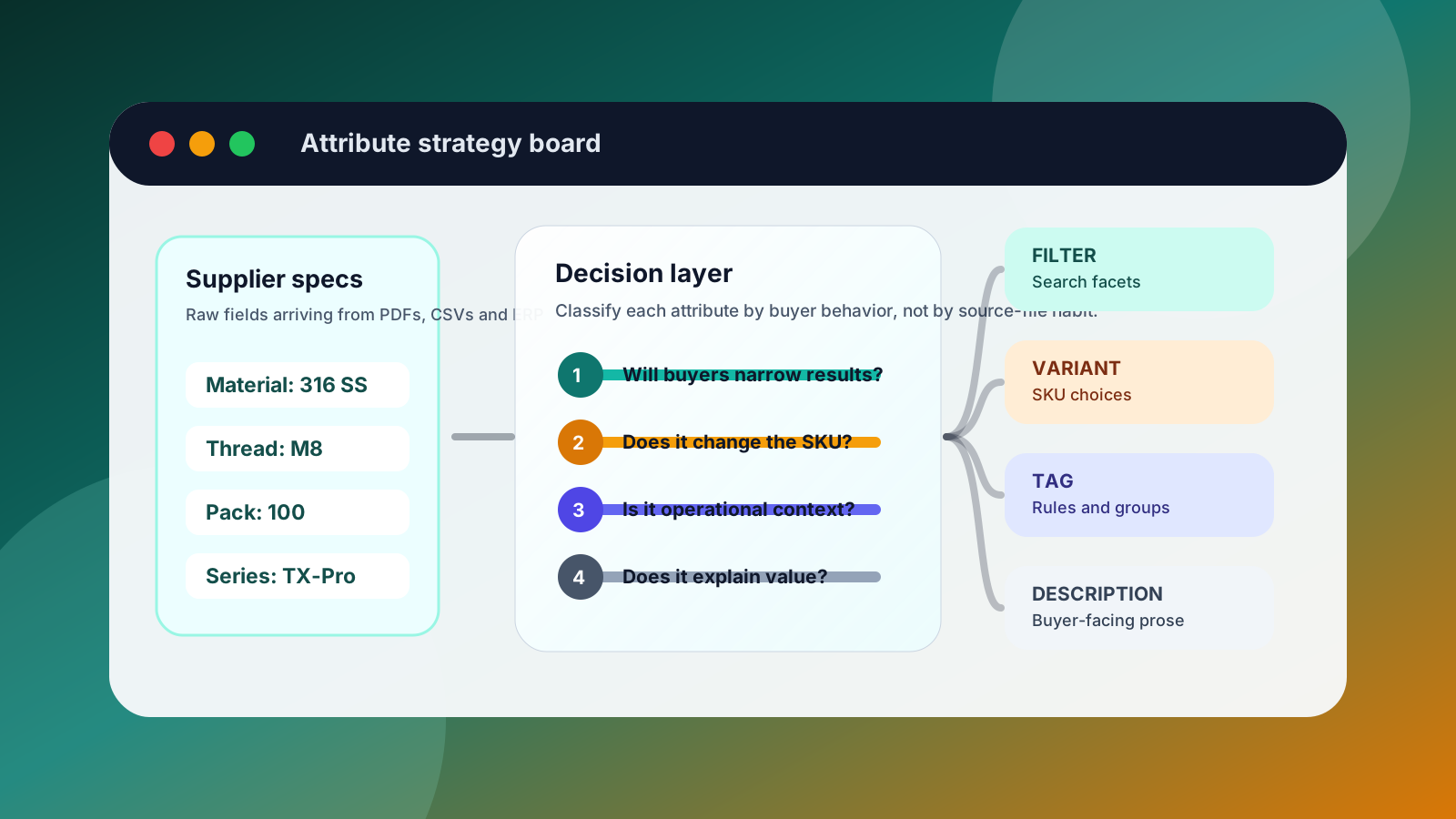
A practical framework for deciding where product attributes belong in B2B ecommerce, so buyers can find the right item without creating a messy catalog.
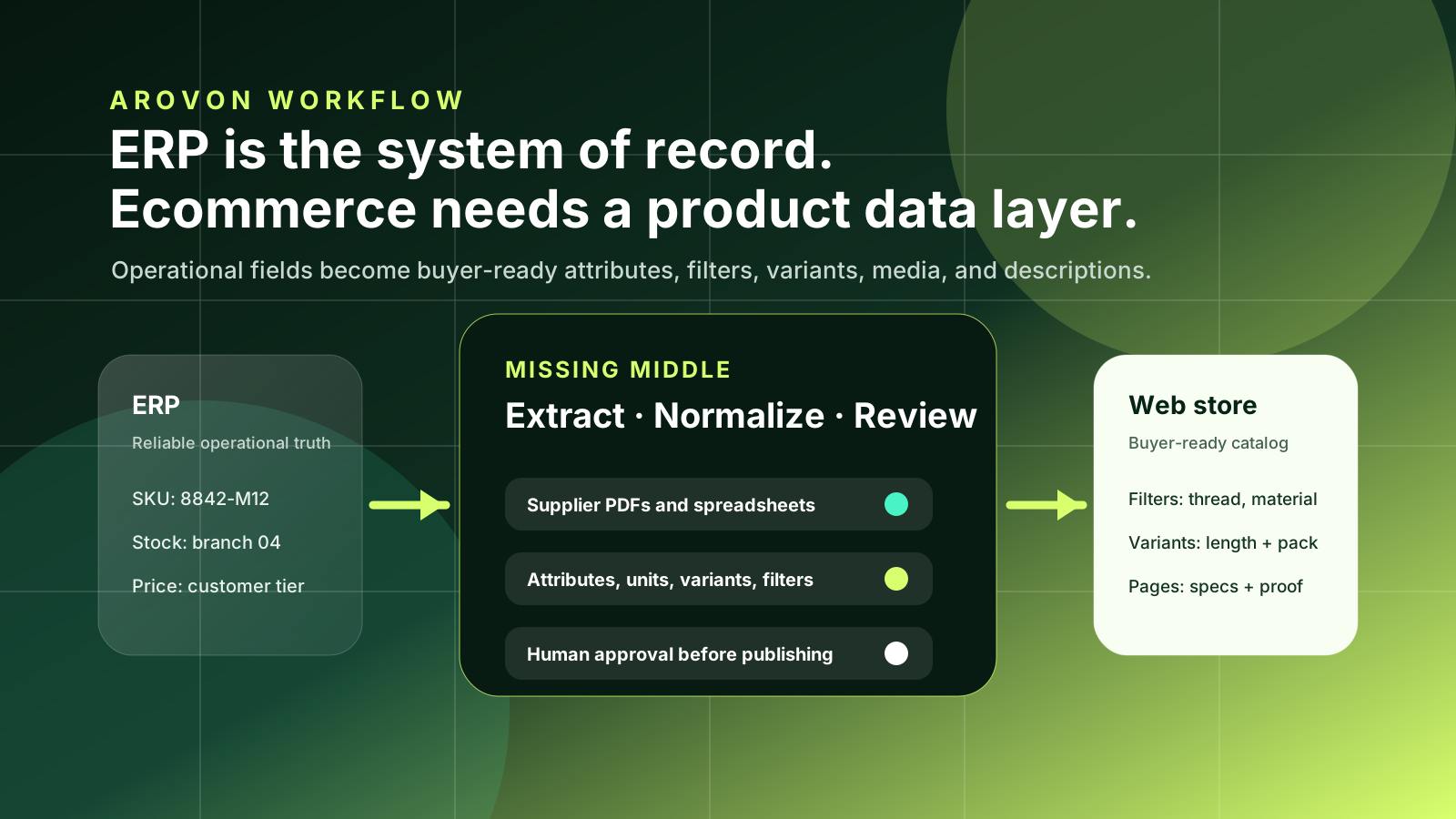
ERP data is essential for operations, but most distributors need a product data layer before records are ready for ecommerce search, filters, variants, and buyer self-service.
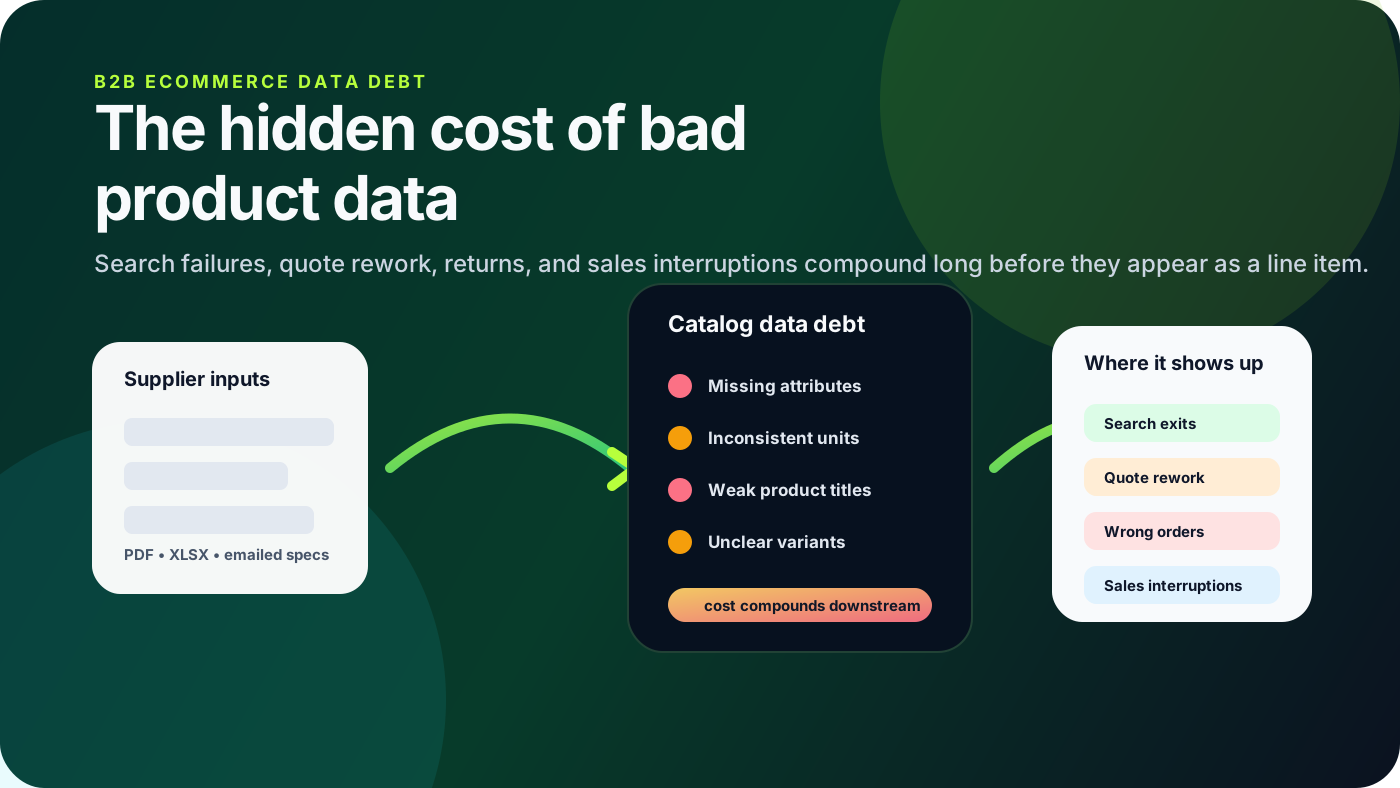
Bad product data does not only make a catalog look messy. For B2B distributors, it quietly raises support costs, slows quoting, weakens search, and makes buyers less confident in self-service ordering.
B2B buyers increasingly expect to search, compare, reorder, and request quotes without waiting for a sales rep. Here is how distributors can tell whether their catalog data is ready.
A plain-English guide to product data automation: what it does, where it fits, what it does not replace, and how distributors should evaluate it.

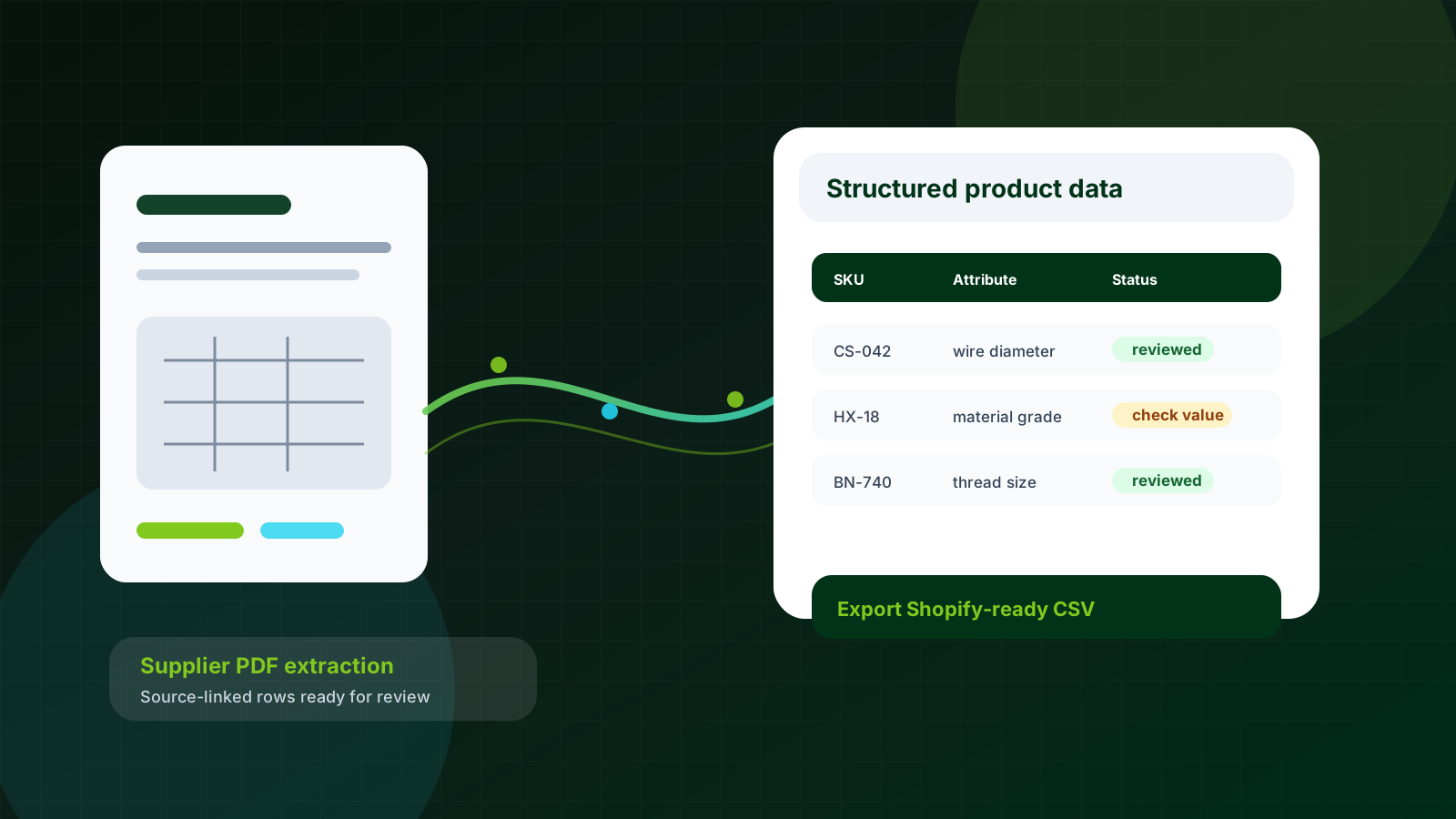
A step-by-step guide to extracting product data from supplier PDFs, reviewing it, and preparing Shopify-ready CSV imports without weeks of copy-paste work.
How fastener distributors can turn supplier PDFs, price lists, and datasheets into searchable product pages with thread, grade, finish, and size data.

A practical comparison of manual catalog data entry and product data automation, including cost, speed, accuracy, review workload, and when each approach still makes sense.

How distributors can build the business case for product data automation using labor savings, faster product launches, fewer import errors, and better catalog coverage.
A distributor guide to speeding up spring catalog data entry by extracting dimensions, rates, materials, and product families from supplier documents.
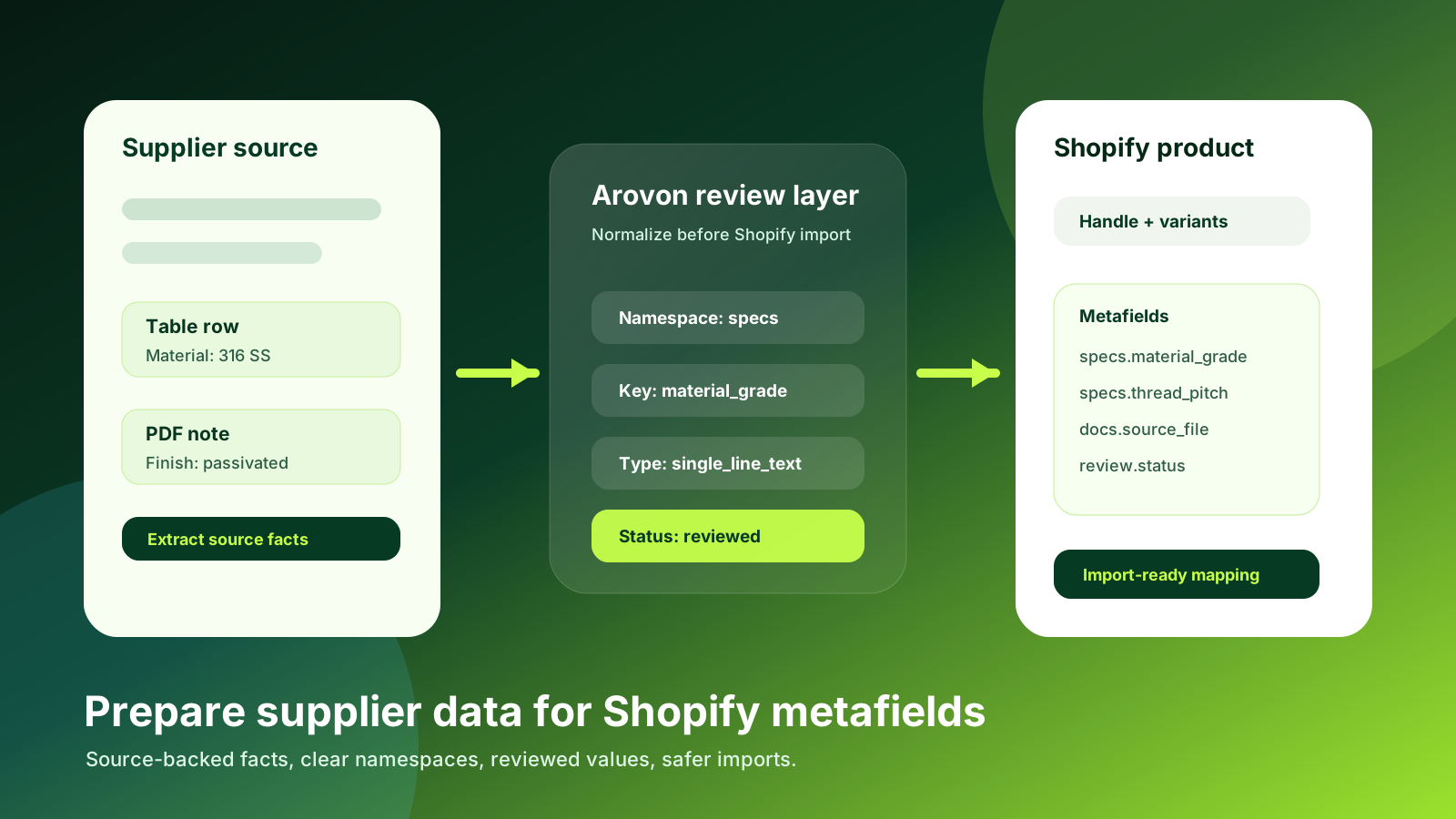
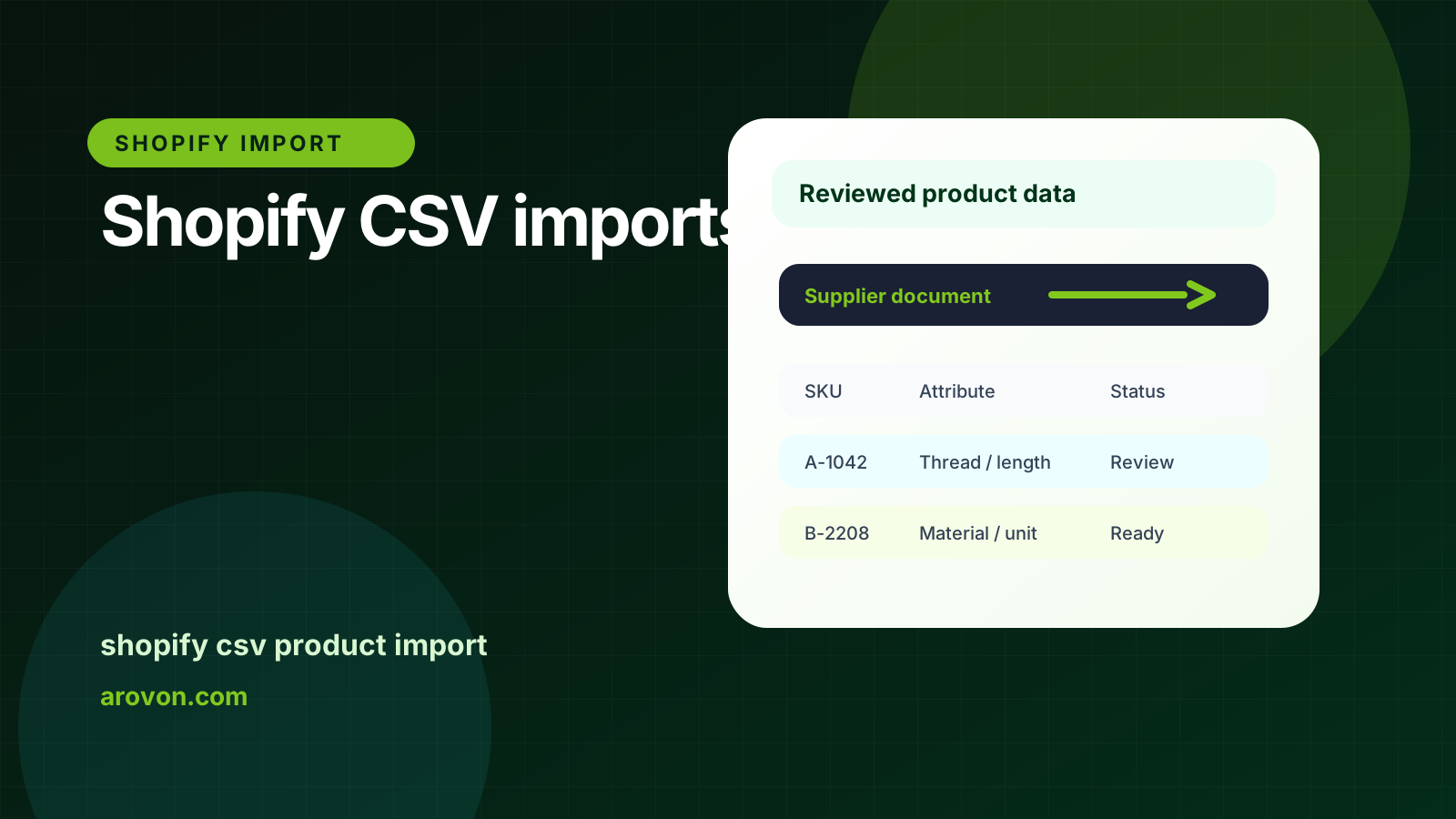
A complete distributor guide to preparing Shopify CSV imports from supplier product data, including handles, variants, tags, metafields, images, and validation checks.
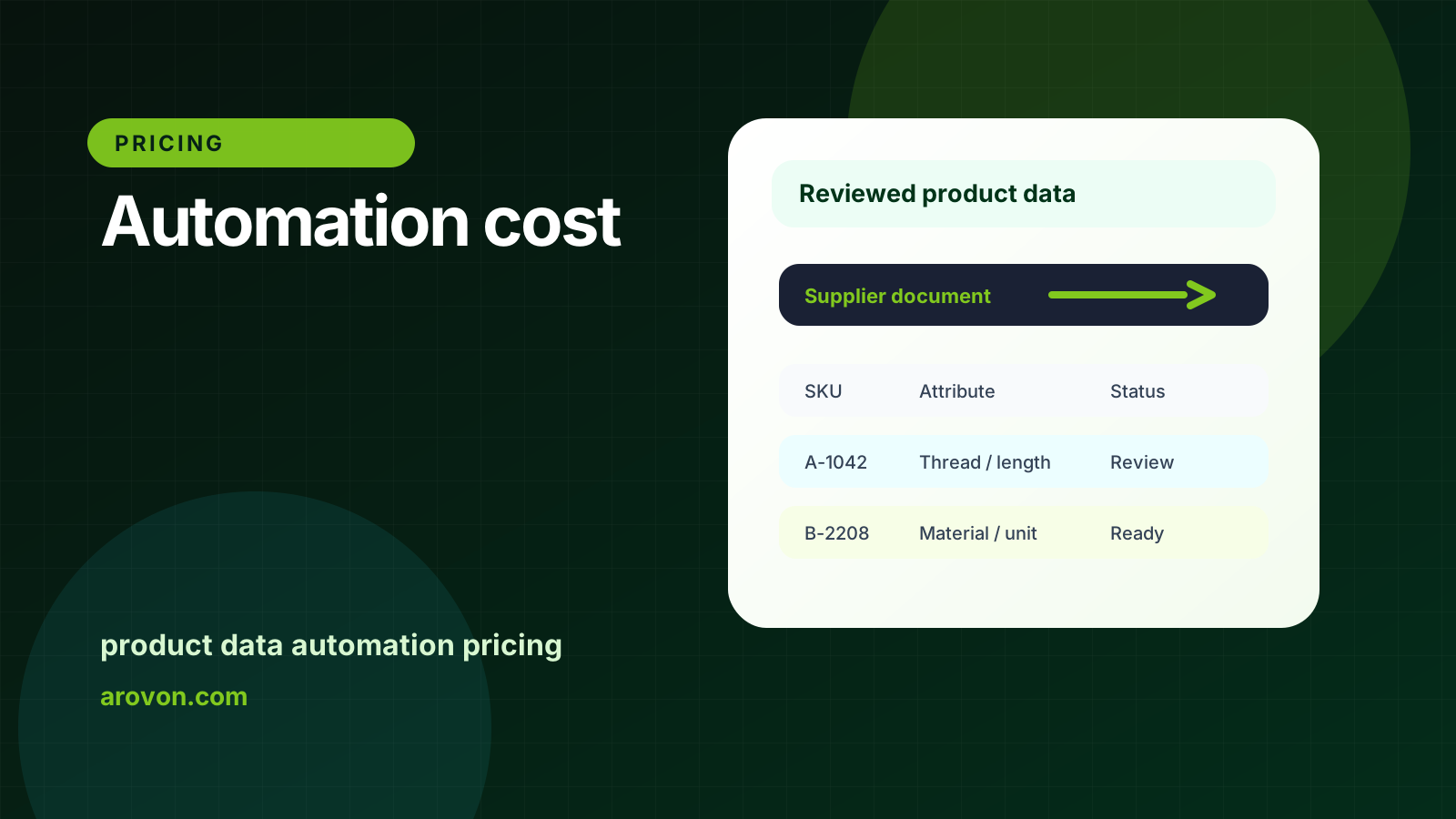
A practical pricing guide for distributors comparing manual catalog labor, outsourcing, and product data automation for supplier PDFs and ecommerce imports.

Why supplier datasheets fight automation: inconsistent tables, hidden units, footnotes, drawings, variants, and formatting that was designed for reading, not importing.
A step-by-step workflow for automating product data extraction from supplier PDFs, datasheets, spreadsheets, and catalogs without losing review control.
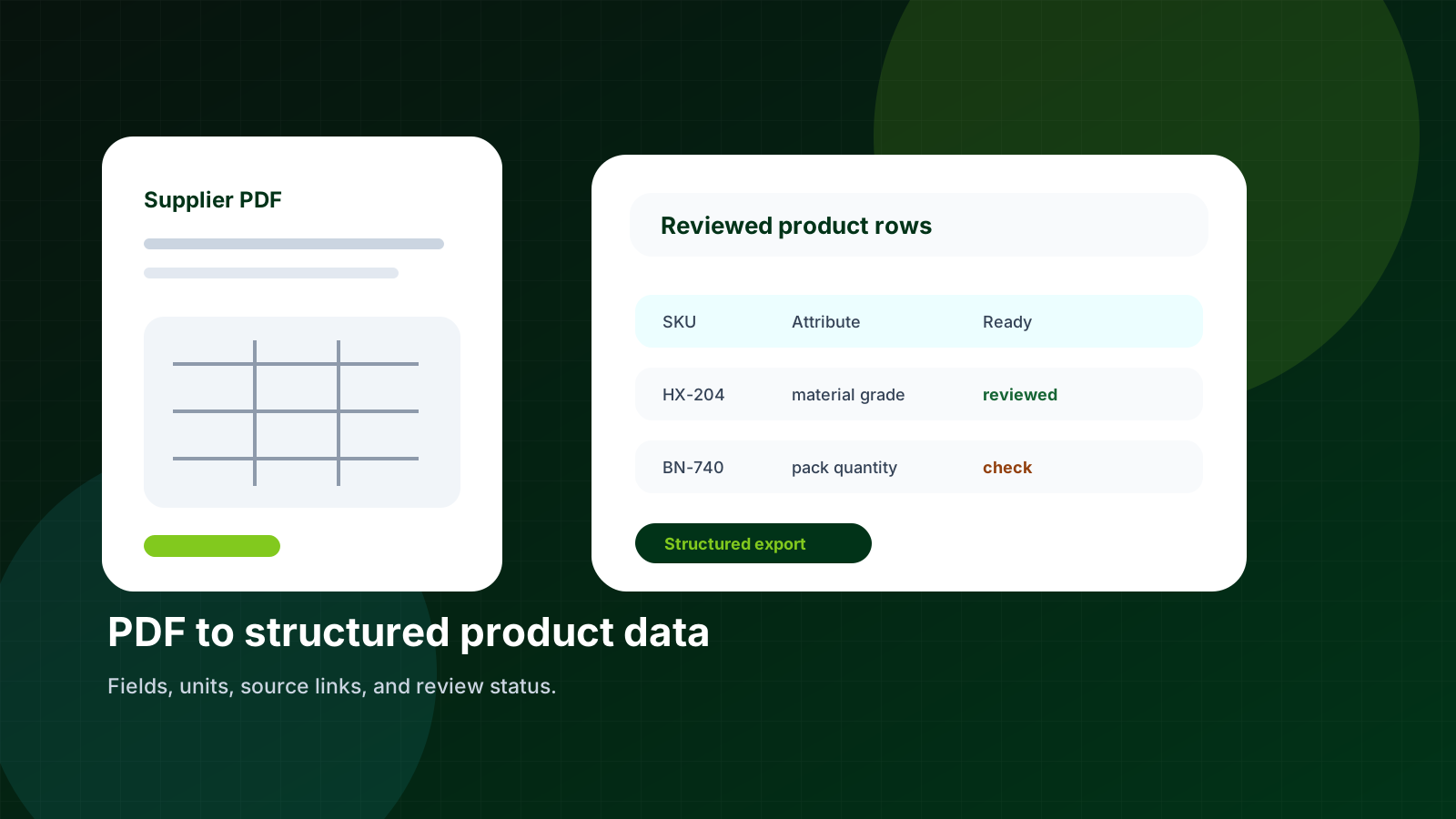
A complete distributor guide to turning supplier PDFs into consistent product records with fields, units, categories, source links, and review status your team can trust.

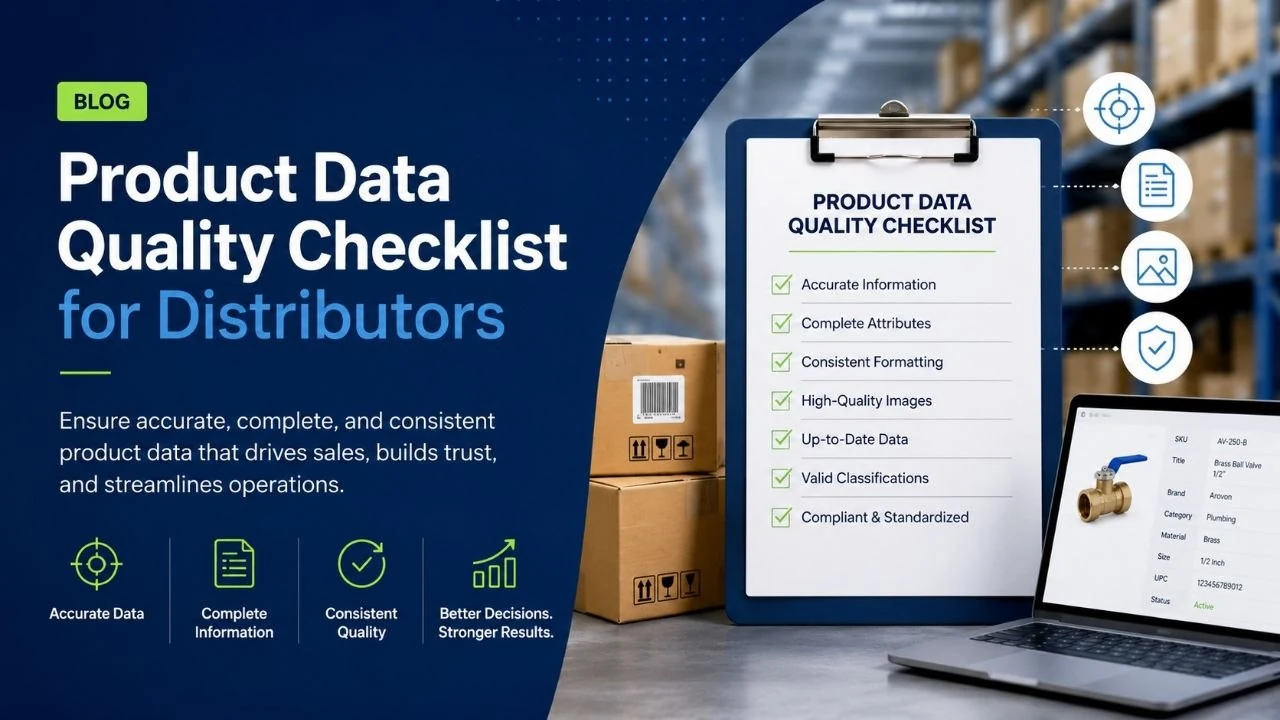
A practical checklist distributors can use to evaluate product data quality before publishing products, importing CSV files, or sending rows into a PIM.
A practical guide to extracting thread size, grade, finish, dimensions, pack quantity, and supplier references from fastener catalog PDFs.
A practical comparison of generic AI tools and purpose-built product data software for industrial distributors working with supplier PDFs and catalogs.
How to extract spring dimensions, rates, materials, loads, end types, and product family data from supplier PDFs without turning the project into manual entry.
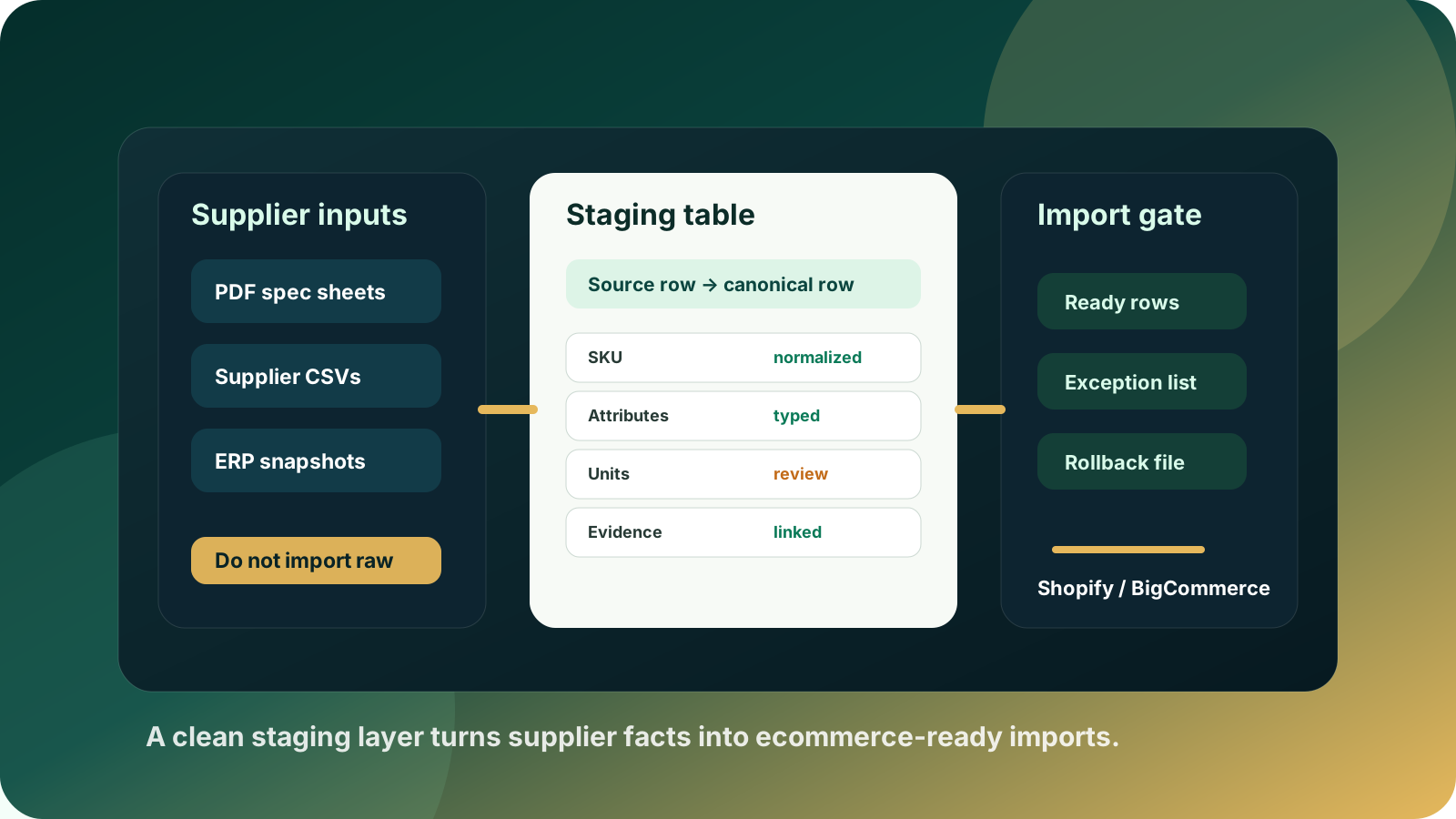
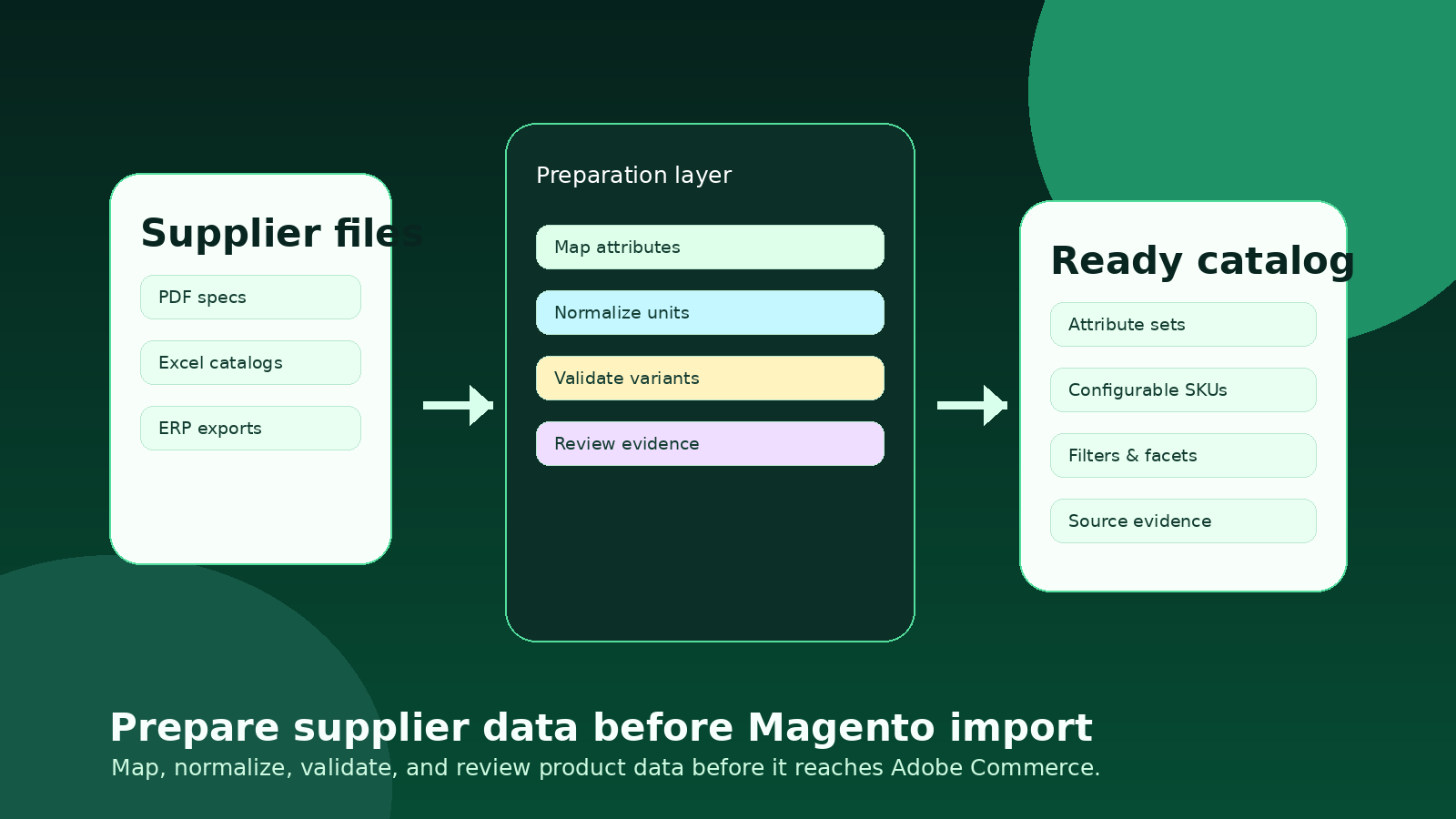
A practical guide for industrial distributors that need to turn supplier PDFs, catalogs, and datasheets into clean product data for ecommerce, PIM, ERP staging, or Shopify CSV imports.
A validation workflow for checking extracted product data before it reaches Shopify, a PIM, an ERP staging table, or a customer-facing catalog.